Global Matcha Market Outlook 2026-2027: B2B Demand Drivers & Emerging Product Categories
An in-depth analysis of the global matcha market outlook for 2026-2027, focusing on B2B demand drivers, emerging product categories, and sourcing implications.
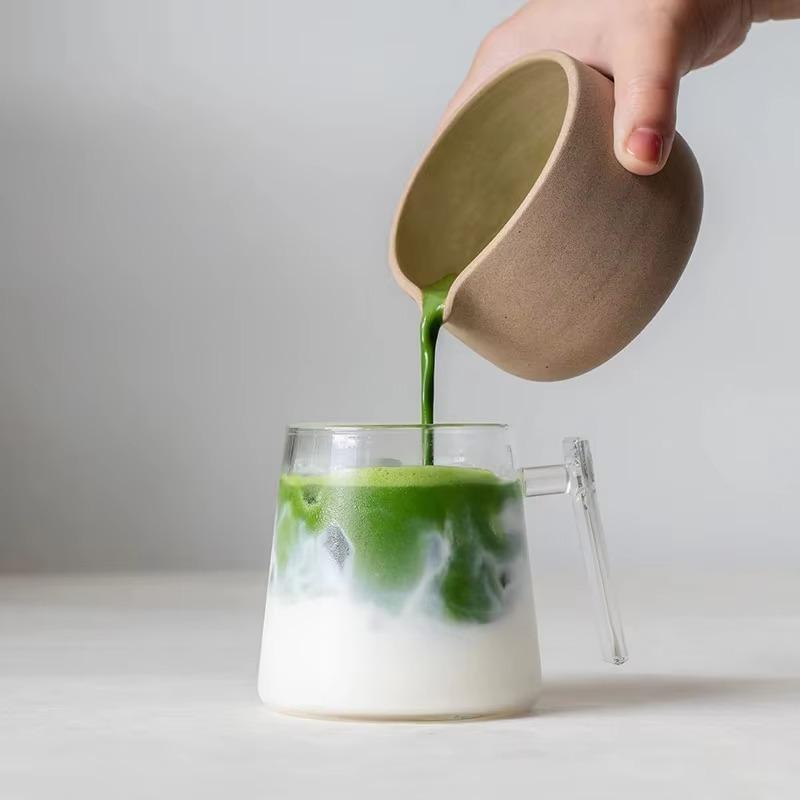
Table of Contents
Looking for Bulk Premium Matcha Powder?
Evaluate our premium shade-grown matcha grades (Ceremonial, Premium, and Culinary) in your own lab or kitchen.
As we enter the 2026-2027 fiscal years, the global matcha market is experiencing a significant evolutionary phase. Once considered a traditional ceremonial beverage or a niche health food ingredient, matcha has firmly established itself as a mainstream powerhouse in the global food, beverage, and wellness sectors. According to recent market research, the global matcha market is projected to grow at a Compound Annual Growth Rate (CAGR) of over 9.5% between 2026 and 2032, driven by rising consumer awareness of health benefits, clean-label demands, and innovative B2B product formulations. For B2B buyers, brand owners, and product developers, understanding the key demand drivers and emerging product categories is essential for strategic planning, sourcing, and product development.
1. Key B2B Demand Drivers for 2026-2027
Several macroeconomic and consumer behavior shifts are driving the bulk demand for high-quality matcha powder globally. B2B buyers must align their product development with these core drivers to capture market share:
A. The Clean-Label and Natural Colorants Movement
Modern consumers are increasingly scrutinizing ingredient lists, actively avoiding artificial additives, preservatives, and synthetic food dyes. Matcha acts as a 100% natural, plant-based green colorant and flavor agent. This allows food and beverage manufacturers to replace synthetic green dyes (such as Yellow 5 and Blue 1) in their formulations with a premium, clean-label ingredient. The vibrant green color of high-quality matcha, derived naturally from chlorophyll through shade-cultivation, provides an appealing visual identity that aligns perfectly with the "healthy and natural" consumer perception.
B. The "Calm Focus" Functional Health Trend
The wellness industry has shifted from general physical health to holistic mental well-being. Matcha contains a unique combination of L-theanine (an amino acid that promotes relaxation and alpha-wave brain activity) and caffeine. When consumed together, these compounds provide a sustained release of energy—often described as "calm focus" or "sustained alertness"—without the jittery crash, anxiety, or digestive issues associated with coffee. This functional benefit is highly sought after by Gen Z and Millennial consumers who prioritize mental wellness, productivity, and cognitive performance.
C. Supply Chain Diversification and Cost Efficiency
With rising coffee bean prices, climate-related crop failures, and global supply chain disruptions, many beverage chains and food manufacturers are expanding their tea-based menus to diversify risk. High-quality Chinese matcha offers a cost-effective, stable, and scalable alternative for large-scale B2B buyers. By sourcing directly from vertically integrated manufacturers in China who control their own shade-grown tea gardens and processing facilities, brands can secure stable pricing and consistent quality, mitigating the volatility of the global commodity market.
2. Emerging Product Categories & Formulation Insights
In 2026 and 2027, we expect to see rapid innovation and product launches across several key categories. Successful B2B formulation requires selecting the correct matcha grade and understanding the physical properties of the powder. For brands looking to develop unique taste profiles or custom pre-sweetened mixes, we offer custom blending through our Custom Flavor Formulas R&D.
A. Ready-to-Drink (RTD) Matcha Beverages
The RTD segment is the fastest-growing category in the matcha market. Canned matcha lattes (using plant-based milks like oat, almond, and coconut), sparkling matcha infusions, and cold-brew matcha shots are entering mainstream supermarkets and convenience stores.
Formulation Insight: The primary challenge for RTD developers is maintaining color stability and preventing sedimentation. Because matcha is a suspended powder rather than a soluble extract, it tends to settle over time. Sourcing ultra-fine premium grades (particle size of 5-10 microns) and utilizing natural stabilizers (such as gellan gum or acacia gum) is crucial to ensuring a smooth mouthfeel and consistent appearance throughout the product's shelf life. (For a deep dive into the food science of RTD formulation, read our technical guide: Formulating RTD Matcha Beverages.)
B. Matcha-Infused Functional Snacks & Bakery
Beyond traditional cakes and ice cream, matcha is finding its way into protein bars, energy bites, keto-friendly snacks, and premium confectionery (such as matcha-infused white chocolate and truffles).
Formulation Insight: The heat of commercial baking can cause chlorophyll to degrade, turning the product from a vibrant green to a dull brown. To combat this, product developers must use heat-stable culinary matcha. Sourcing leaves from the second harvest (which contain more robust catechins) ensures that both the green color and the distinct earthy flavor remain distinct after thermal processing. (Learn how to prevent baking discoloration in The Chemistry of Matcha in Baking.)
C. Nutraceuticals, Superfoods, and Beauty-from-Within
Matcha's high concentration of epigallocatechin gallate (EGCG), a powerful antioxidant, has made it a staple in beauty supplements, collagen blends, green superfood powders, and weight management capsules.
Formulation Insight: B2B buyers in the nutraceutical sector require strict compliance with heavy metal limits, pesticide residues, and microbiological standards. Sourcing organic-certified matcha (USDA and EU Organic) with a comprehensive Certificate of Analysis (COA) is non-negotiable for brand protection and regulatory compliance.
3. Regional Market Analysis: Where is the Demand?
| Region | Key Drivers | Preferred Product Formats |
|---|---|---|
| North America | High demand for coffee alternatives, functional wellness, and convenient RTD formats. | Oat milk matcha lattes, RTD cans, protein powder blends, beauty collagen. |
| Europe | Strict regulations on food additives, strong preference for certified organic products. | Organic ceremonial drinking matcha, premium bakery ingredients, herbal tea blends. |
| Asia-Pacific | Deep-rooted tea culture, rapid expansion of modern cafe chains and bubble tea brands. | Matcha soft serve, bubble tea toppings, traditional whisked matcha, confectionery. |
4. B2B Sourcing Strategies for 2026-2027
To capitalize on these global trends, B2B buyers must adapt their sourcing strategies to ensure quality, safety, and continuity of supply:
- Verify Certifications: Ensure your supplier holds global food safety and quality certifications, including ISO22000, HACCP, FDA registration, Halal, and Kosher. For organic lines, USDA Organic and EU Organic certifications must be fully traceable.
- Evaluate Physical Parameters: Request samples to test color (using a colorimeter if available), particle size (target 5-10 microns for drinking, 10-15 microns for baking), and moisture content (must be under 5% to prevent oxidation and microbial growth). (See our Matcha Quality Grading & Evaluation Standards for laboratory testing protocols.)
- Secure Long-Term Contracts: As global demand rises, securing allocation from direct manufacturers with self-owned tea gardens (like Orisen Tea) ensures price stability and consistent quality throughout the harvest seasons, protecting your brand from sudden market shortages.
5. FAQ: B2B Matcha Sourcing & Formulation
Q1: How do you prevent matcha powder from settling in RTD beverages?
Since matcha is not soluble, it must be suspended. To minimize settling, use a micro-milled matcha with a particle size of 5-8 microns. Additionally, incorporating natural hydrocolloids like gellan gum, xanthan gum, or pectin at very low concentrations (0.02% - 0.05%) creates a weak gel network that holds the matcha particles in suspension without altering the beverage's viscosity.
Q2: Why does matcha turn brown during baking, and how can it be prevented?
Chlorophyll is highly sensitive to heat and acid, which causes it to convert into pheophytin, turning brown. To prevent this: 1) Use a robust, heat-stable Culinary Grade matcha harvested later in the season; 2) Keep the baking temperature as low as possible and adjust the baking time; 3) Maintain a neutral or slightly alkaline pH in your batter (avoid acidic ingredients like lemon juice or cream of tartar unless balanced with baking soda).
Q3: What is the shelf life of bulk matcha powder, and how should it be stored?
Bulk matcha powder has a shelf life of 12 to 18 months when stored properly. It is highly sensitive to light, heat, oxygen, and moisture. For commercial storage, matcha must be kept in airtight, light-proof aluminum bags, ideally vacuum-sealed or flushed with nitrogen, and stored in a temperature-controlled cold room (2°C - 8°C).
Q4: How does Chinese matcha compare to Japanese matcha in terms of quality and price?
Historically, Japan was the primary source of premium matcha. However, modern Chinese manufacturers have invested heavily in shade-growing infrastructure (Tana shading) and advanced Japanese grinding technology. Today, premium Chinese matcha matches Japanese quality in color, particle size, and amino acid profile, while offering a 30% to 50% price advantage and significantly larger, more stable production capacities, making it ideal for global B2B scaling. (Read our full comparison: Chinese vs. Japanese Matcha Sourcing Guide.)
Partner with Orisen Tea for Your Matcha Supply
Hunan Orisen Biotech Co., Ltd. (Orisen Tea) is a leading manufacturer and exporter of high-quality wholesale matcha powder. We operate our own shade-grown tea gardens in high-altitude regions and state-of-the-art processing facilities, allowing us to offer customized grades, private label packaging (OEM/ODM), and bulk wholesale supply. All our products comply with international food safety standards, backed by FDA, EU Organic, Halal, and ISO22000 certifications. Contact our sales team today to request free samples and discuss your product specifications.
Interested in Sourcing Premium Matcha Powder?
Hunan Orisen Biotech Co., Ltd. is a certified factory source. Contact us for bulk wholesale pricing, custom formulation, or OEM private label packaging.
Related Articles
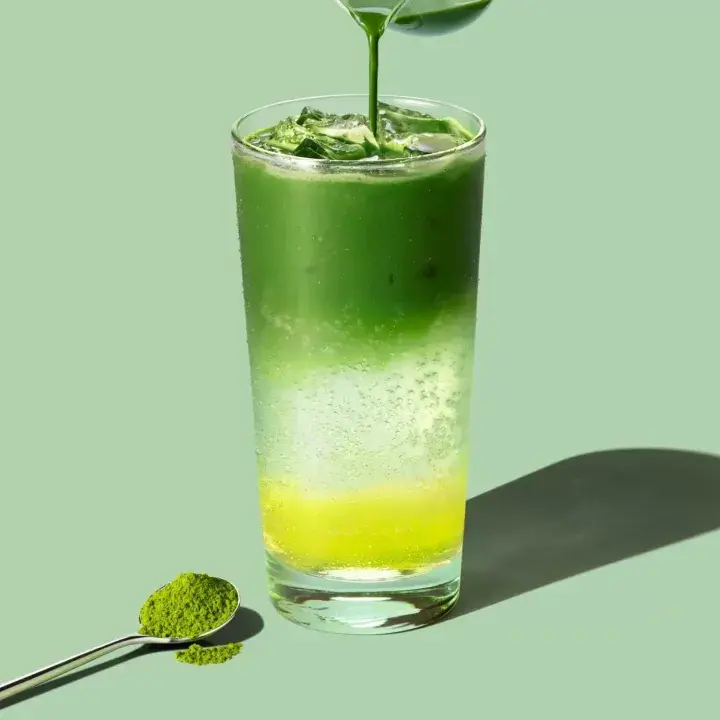
The Rise of Sparkling & Nitro Cold Brew Matcha: 2026 Ready-to-Drink Beverage Innovations