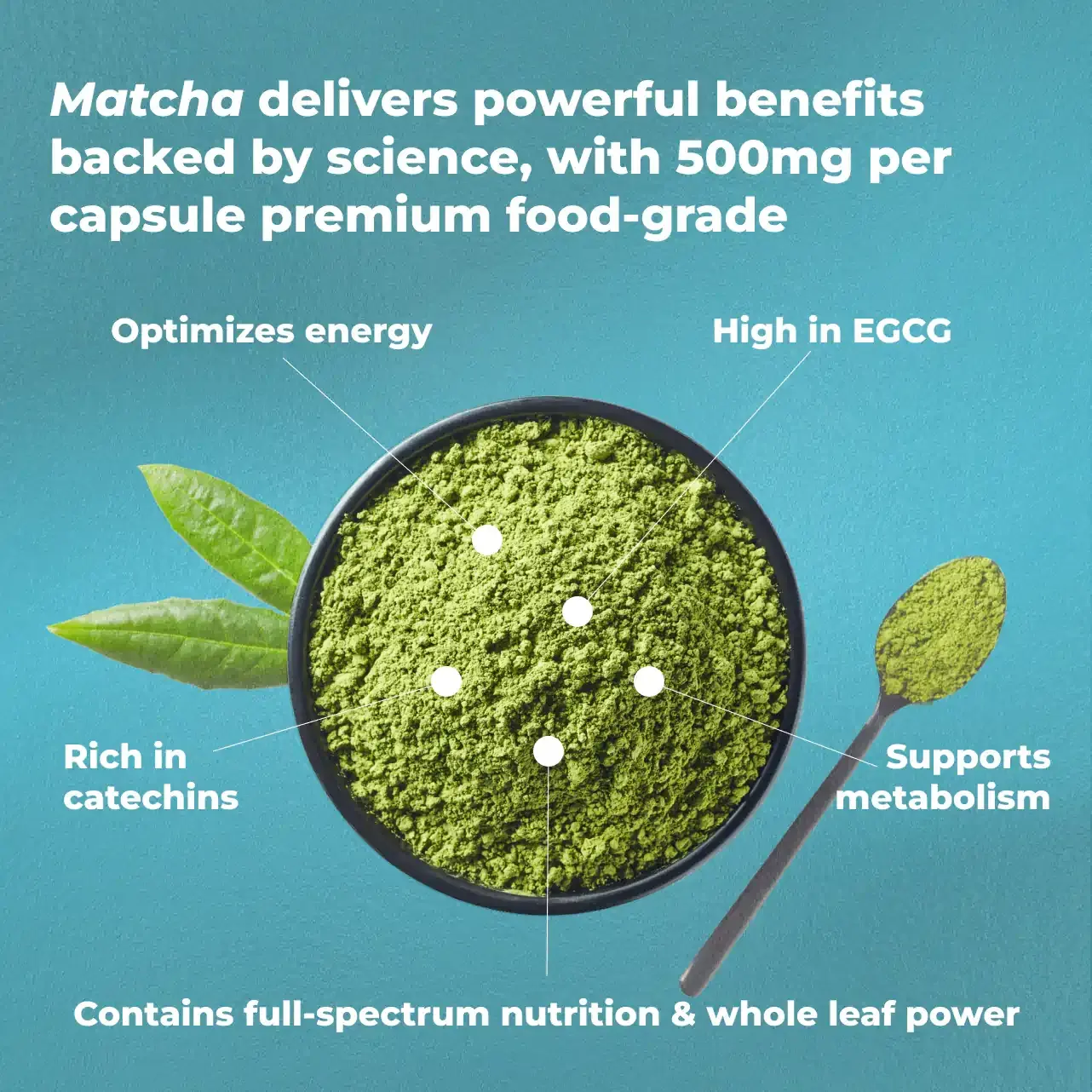
2026 Flavored Matcha Trends: Strawberry, Banana, Jasmine, Pistachio & the Next Wave of Beverage Innovation
An in-depth B2B guide exploring the 2026 flavored matcha trends (Strawberry, Banana, Jasmine, Pistachio), technical formulation challenges, and OEM sourcing solutions for beverage brands.
Table of Contents
Looking for Bulk Specialty Tea Powders?
Evaluate our premium ground jasmine, oolong, and Earl Grey tea powders in your own lab or kitchen.
The global beverage and wellness landscapes are undergoing a significant flavor evolution. While traditional pure matcha remains a cornerstone of the tea industry, a new wave of consumer demand is sweeping the market: Flavored Matcha. Driven by Gen Z and Millennial preferences for innovative taste profiles, functional health benefits, and visually striking beverages, flavored matcha has transitioned from a niche cafe novelty into a high-growth, high-margin product category. For food and beverage manufacturers, cafe chains, and private label brands, this trend represents a massive commercial opportunity to capture new market segments and optimize profit margins. This comprehensive B2B guide explores the key market trends for 2026, formulation chemistry, and sourcing strategies for launching a successful flavored matcha product line.
1. Market Drivers: Why Flavored Matcha is Exploding
The rapid growth of flavored matcha is propelled by three primary consumer shifts:
- Lowering the Entry Barrier for New Consumers: Pure matcha has a distinct, grassy, and slightly bitter umami flavor profile that can be intimidating for first-time drinkers. Infusing matcha with familiar, sweet, or fruity notes softens the grassy notes, making it highly accessible to a broader audience.
- The Premiumization of RTD and Cafe Menus: Beverage chains and boutique cafes have demonstrated that flavored matcha lattes command premium retail prices—often 15% to 25% higher than standard coffee or tea drinks.
- The Clean-Label Visual Appeal: Flavored matcha blends serve as a 100% natural, plant-based green colorant while delivering a delicious taste, aligning perfectly with the clean-label movement and the visual-first culture of social media.
2. 2026 Flavored Matcha Trends: The Next Wave of Innovation
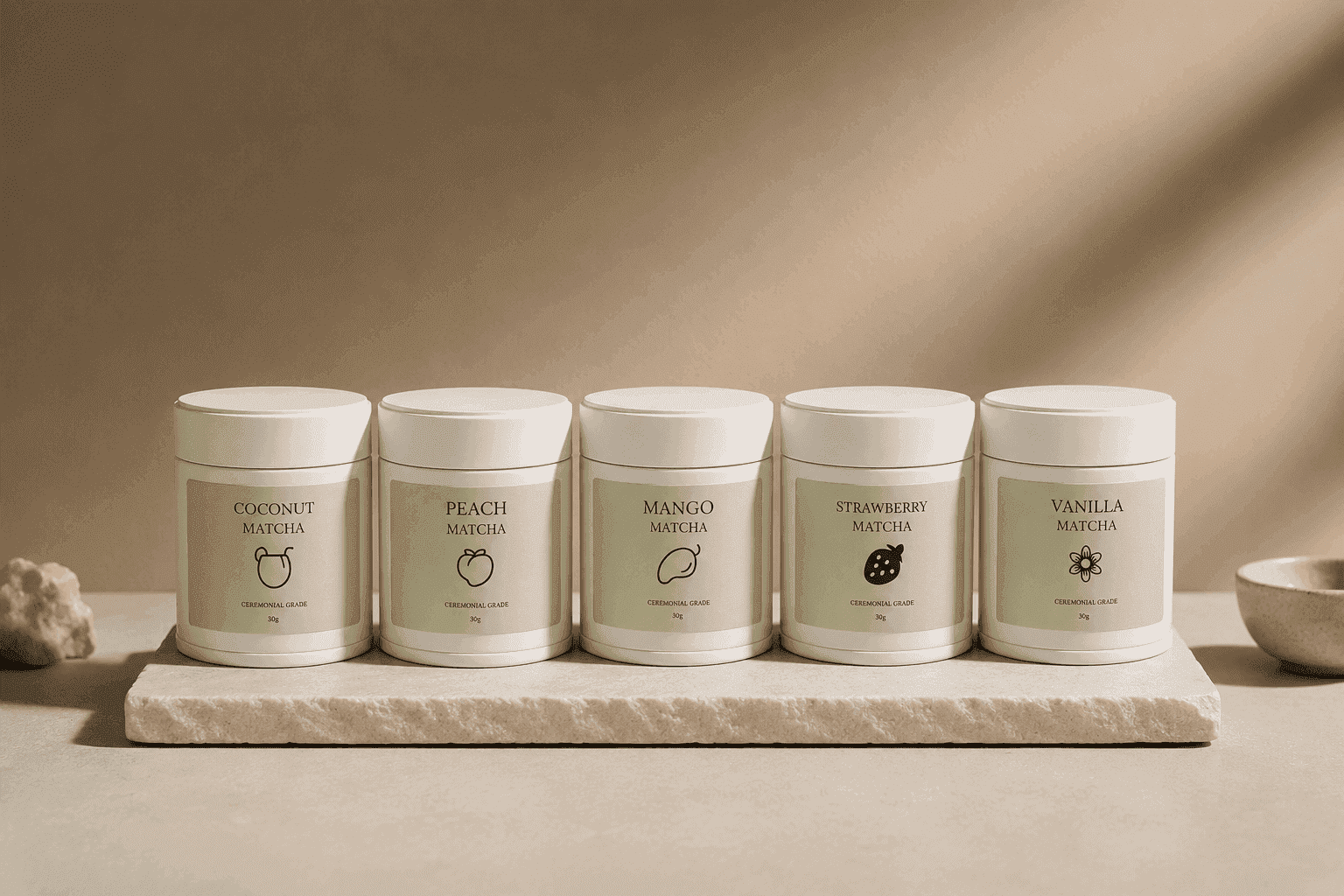
Product developers are successfully combining bulk matcha with specific natural flavors to target distinct consumer preferences. In 2026, four key flavor profiles are leading the beverage market:
A. Strawberry Matcha (The Undisputed Champion)
Strawberry remains the most popular fruit pairing for matcha. The bright red of strawberry puree or syrup layered with the vibrant green of matcha creates a visually stunning, Instagram-worthy beverage. The tart sweetness of freeze-dried strawberry powder perfectly balances the grassy notes of green tea, making it a staple for iced lattes and RTD cans.
B. Banana Matcha (The Creamy Energy Booster)
Banana matcha is emerging as a major trend, particularly in the ready-to-drink (RTD) and breakfast beverage sectors. The natural creaminess and sweetness of banana powder reduce the need for added sugars, while providing potassium and sustained energy. It pairs exceptionally well with oat and soy milks, offering a smooth, smoothie-like texture.
C. Jasmine Matcha (The Elegant Botanical)
Jasmine-infused matcha targets the premium wellness and RTD tea markets. The sweet, floral aroma of jasmine flowers complements the fresh, grassy notes of shade-grown green tea, creating a highly sophisticated, refreshing beverage that appeals to health-conscious consumers seeking relaxation and mental clarity.
D. Pistachio Matcha (The Indulgent Nutty Trend)
Pistachio is the breakout flavor trend of 2026. The rich, buttery, and slightly sweet flavor of pistachio paste or natural pistachio flavoring pairs beautifully with the umami profile of premium matcha. Pistachio matcha lattes and pistachio cold foams are driving massive foot traffic in boutique cafes, offering a luxurious, high-margin indulgence.
3. Technical Formulation Challenges & Industrial Solutions
While the marketing appeal of flavored matcha is strong, R&D teams must solve several physical and chemical challenges to create a shelf-stable, commercial product:
A. Particle Size Homogeneity and Segregation
Matcha is a micro-fine powder (5 to 10 microns). However, many flavoring agents, sweeteners, or fruit powders have much larger, irregular particle sizes (30 to 150 microns). When dry-blended directly, the mixture will segregate during shipping and handling, leading to inconsistent flavor dosing and a gritty mouthfeel.
Solution: R&D teams must ensure that all active ingredients and flavor carriers are micronized to match the particle size of the matcha. Utilizing advanced dry-blending equipment (such as ribbon blenders or V-blenders) ensures a homogeneous mix. For instant beverage mixes, agglomeration or wet-granulation can be used to create easily dispersible particles that dissolve smoothly in water.
B. Moisture Control and Shelf-Life Stability
Matcha is highly hygroscopic and sensitive to moisture, which triggers chlorophyll oxidation (turning the powder brown) and clumping. Adding fruit powders (like banana or strawberry, which naturally contain sugars and moisture) accelerates this degradation.
Solution: The moisture content of all raw materials in the blend must be strictly controlled (ideally below 4.0%). Processing must take place in a temperature- and humidity-controlled environment (relative humidity < 35%). Finished products must be packed in airtight, light-proof, and moisture-barrier packaging, such as nitrogen-flushed aluminum tins or multi-layer foil pouches. (Read more about packaging in our Private Label & OEM Sourcing Guide.)
C. Flavor Masking and Sweetener Synergy
Balancing the natural astringency of green tea with added flavors requires careful formulation.
Solution: Instead of using artificial sweeteners, modern brands use natural, zero-calorie sweeteners like Monk Fruit (Mogroside V) or Stevia (Rebaudioside M). These sweeteners have a synergistic effect with fruit and nut flavors, masking the bitterness of matcha while keeping the ingredient list clean and sugar-free.
4. Sourcing the Right Matcha Base for Flavor Blending
A common mistake is sourcing expensive Ceremonial Grade Matcha for flavored blends. Ceremonial matcha is ground from delicate, first-flush spring leaves. While it tastes excellent when whisked straight with water, its subtle umami notes and sweet aroma are completely overwhelmed by the strong flavorings and sweeteners.
Conversely, cheap, low-grade culinary powders introduce a harsh, woody bitterness and a dull, yellowish-brown color.
The optimal solution is sourcing a dedicated Premium Culinary Grade Matcha (often harvested in late spring, shaded for 25 days):
- Vibrant Green Color: High chlorophyll content ensures the final blend retains a bright, appealing green color even after mixing with fruit or nut powders.
- Robust Tea Profile: A higher concentration of catechins provides a punchy tea flavor that cuts through the added flavorings and milk bases cleanly.
- Cost Efficiency: Sourcing a premium culinary grade optimizes your Cost of Goods Sold (COGS), allowing for healthy profit margins.
Summary: 2026 Flavored Matcha Formulation Matrix
| Flavor Profile | Key Ingredients | Recommended Matcha Grade | B2B Application |
|---|---|---|---|
| Strawberry Matcha | Freeze-dried strawberry powder, natural strawberry flavor | Premium Grade | Cafe chain menus, retail stick packs, RTD cans |
| Banana Matcha | Dehydrated banana powder, natural banana flavor, monk fruit | Premium Grade | Instant breakfast mixes, RTD smoothies, protein blends |
| Jasmine Matcha | Natural jasmine flower extract powder | Premium Grade | Iced botanical teas, premium RTD cans, wellness sachets |
| Pistachio Matcha | Pistachio nut flour (micronized), natural pistachio flavor | Premium Grade | Hot lattes, cold foam toppings, premium confectionery |
Partner with Orisen Tea for Custom Blending & OEM
Hunan Orisen Biotech Co., Ltd. (Orisen Tea) is your vertically integrated partner for bulk matcha supply and custom OEM blending. We operate our own high-altitude, shade-grown tea gardens and state-of-the-art processing facilities certified under FDA, USDA Organic, EU Organic, ISO22000, and Halal standards. Our application lab works directly with beverage chains and wellness brands to develop custom flavored formulations, optimize particle size dispersion, and conduct stability testing. We offer end-to-end OEM Private Label Packaging solutions, including custom-printed tins, pouches, and single-serve stick packs. Contact our B2B sales team today to request a free sample kit of our flavored matcha range and discuss your project requirements.
FAQ: Flavored Matcha Sourcing & Formulation
Q1: Do you use natural or artificial flavoring in your flavored matcha blends?
We prioritize clean-label formulations. We use 100% natural fruit powders, freeze-dried fruit pieces, and natural botanical extracts to flavor our matcha. We do not use artificial colors, chemical preservatives, or synthetic flavorings, ensuring full compliance with international clean-label standards.
Q2: What is the minimum order quantity (MOQ) for custom flavored matcha blending?
For custom formulations and private label packaging, our MOQ starts at 500kg per flavor. For stock flavored options packaged in standard tins or pouches with custom adhesive labels, we can offer lower MOQs starting at 1,000 units to help brands test the market. (Read more in our Private Label & OEM Sourcing Guide.)
Q3: How do you ensure the heavy metal and pesticide compliance of flavored blends?
Every single ingredient in our blends—including the matcha base, fruit powders, and natural sweeteners—undergoes rigorous quality control. We provide batch-specific Certificates of Analysis (COAs) and third-party lab reports (SGS or Eurofins) verifying that pesticide residues and heavy metals comply with the strict import regulations of your target market (e.g., US FDA or EU EFSA).
Interested in Sourcing Specialty Tea Powders?
Hunan Orisen Biotech Co., Ltd. is a certified factory source. Contact us for bulk wholesale pricing, custom formulation, or OEM private label packaging.
Related Articles
The Rise of Sparkling & Nitro Cold Brew Matcha: 2026 Ready-to-Drink Beverage Innovations
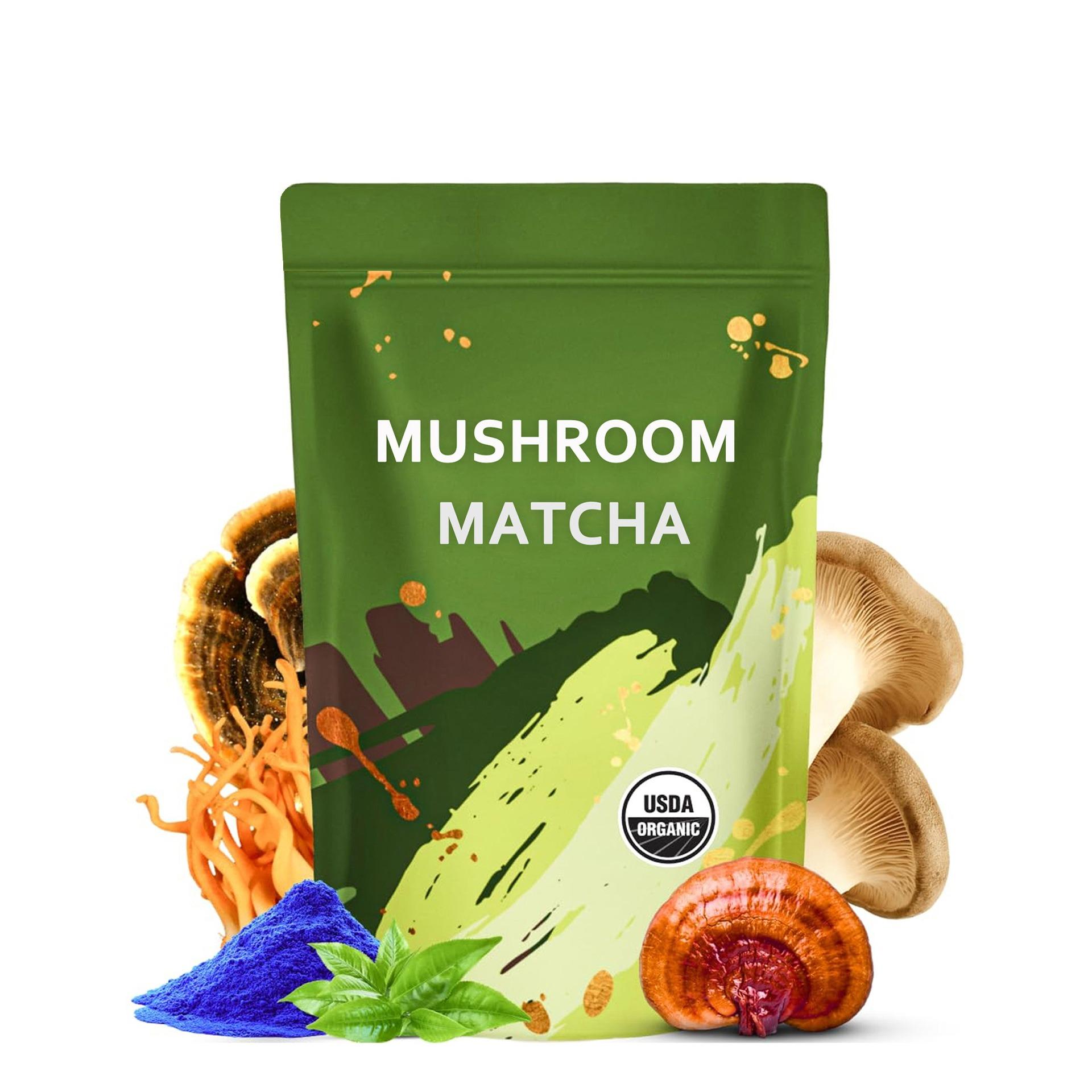
The Rise of Mushroom Matcha and Adaptogenic Blends: B2B Market Trends & Formulation Insights