The Rise of Sparkling & Nitro Cold Brew Matcha: 2026 Ready-to-Drink Beverage Innovations
An in-depth B2B guide exploring the rise of sparkling and nitro cold brew matcha beverages, covering market drivers, carbonation vs nitrogenation physics, technical formulation matrices, draft keg SOPs, and micro-milled sourcing solutions.
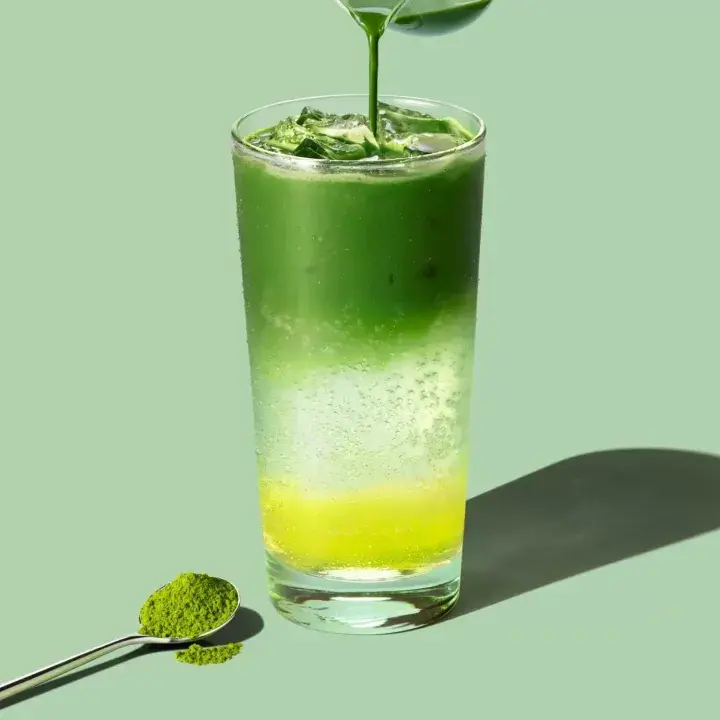
Table of Contents
Looking for Bulk Specialty Tea Powders?
Evaluate our premium ground jasmine, oolong, and Earl Grey tea powders in your own lab or kitchen.
The global beverage market is experiencing a dynamic transformation. As Gen Z and Millennial consumers demand lighter, cleaner, and more refreshing functional energy options, matcha is undergoing a major evolution. Moving beyond traditional hot lattes and heavy dairy concoctions, a new generation of beverage innovation has arrived: Sparkling Matcha and Nitro Cold Brew Matcha. Driven by the rapid growth of premium craft sodas, cold brew coffee culture, and functional ready-to-drink (RTD) beverages, these carbonated and nitrogenated formulations offer an invigorating, effervescent mouthfeel paired with matcha's signature "calm focus" energy. For cafe chains, beverage developers, and RTD brand owners, this trend represents a high-margin frontier for product differentiation in 2026 and beyond. This technical B2B guide explores market drivers, beverage formulation physics, equipment SOPs, and sourcing strategies for launching sparkling and nitro cold brew matcha lines.
1. Market Drivers: Why Carbonated and Nitrogenated Matcha is Exploding
The surge in consumer interest and retail shelf space for sparkling and nitro cold brew matcha drinks is driven by three main consumer shifts:
- Daypart Expansion (Afternoon & Evening Refreshment): Traditional heavy, dairy-based matcha lattes are typically consumed in the morning. Sparkling and nitrogenated matcha beverages provide a light, hydrating, and crisp option for afternoon pick-me-ups, warm-weather thirst quenching, and social mocktail occasions without heavy calories.
- Textural Elevation without Dairy: Nitrogen gas (N₂) infusion creates millions of microscopic bubbles, producing a rich, velvety "cascade effect" and a thick, creamy head of foam—all without requiring any milk or cream. This aligns perfectly with the plant-based, dairy-free, and vegan lifestyle movements.
- Synergy with Botanical & Citrus Flavors: Carbonation enhances volatile aroma release. When paired with high-acid botanical elements like Japanese Yuzu, Meyer Lemon, Grapefruit, or Passionfruit, the effervescence highlights matcha's fresh, grassy notes while softening its natural astringency. (Explore more flavor combinations in our 2026 Flavored Matcha Trends Guide.)
2. Deep Dive: Sparkling vs. Nitro Cold Brew Formulations
While both formats deliver a refreshing experience, their physical dynamics and operational requirements differ substantially:
A. Sparkling Matcha Infusions (Carbonation / CO₂)
Carbonation relies on carbon dioxide gas (CO₂) dissolved under pressure. When opened, the gas expands to create sharp, crisp bubbles that tingle on the palate.
- Flavor Profile: Bright, effervescent, tangy, and invigorating.
- Ideal Base Pairings: Yuzu puree, citrus juices, tonic water, ginger beer, or botanical extracts (such as elderflower, mint, or jasmine).
- Formulation Challenge: CO₂ lowers the pH of liquid (forming carbonic acid, pH ~4.0 to 4.5). In an acidic environment, chlorophyll in matcha is vulnerable to rapid pheophytinization (turning brown). Formulators must incorporate buffering agents like Sodium Citrate or Dipotassium Phosphate to maintain a stable pH between 6.5 and 7.0 without muting the tart citrus profile.
B. Nitro Cold Brew Matcha (Nitrogen Gas / N₂)
Nitrogen (N₂) is largely insoluble in water compared to CO₂. Under high pressure, nitrogen gas dissolves into tiny micro-bubbles that produce a dramatic "waterfall effect" when poured, resulting in a thick, dense, micro-foam head.
- Flavor Profile: Silky, creamy, naturally sweet, and incredibly smooth with zero bite.
- Ideal Base Pairings: Pure cold-filtered water, oat milk bases, or subtle vanilla extracts.
- Formulation Challenge: To achieve a stable, cascading head of foam that lasts for minutes, the tea powder must be finely suspended without heavy particulates that collapse the micro-bubble structure. Utilizing micro-milled Premium Grade Matcha (5–8 microns) ensures particle stability.
3. Technical Formulation & Manufacturing Matrix
The table below summarizes key technical parameters for R&D teams developing commercial sparkling and nitro matcha beverages:
| Parameter | Sparkling Citrus Matcha | Nitro Cold Brew Matcha | Nitro Oat Matcha Latte (RTD Can) |
|---|---|---|---|
| Gas Phase | Carbon Dioxide (CO₂, 2.2–2.6 Volumes) | Pure Nitrogen (N₂) or N₂/CO₂ Mix (70/30) | Liquid Nitrogen Dosing (in-can widget or LN₂ injection) |
| Recommended Matcha Grade | Premium Grade Micro-Milled | Ceremonial Grade or Premium Grade | Premium Culinary Grade |
| Matcha Dosage | 0.8% – 1.2% (2.5g–3.5g per 300ml) | 1.0% – 1.5% (3.0g–4.5g per 300ml) | 1.2% – 1.8% (4.0g–5.5g per 300ml) |
| pH Buffer & Stabilizers | Sodium Citrate (0.03%), Ascorbic Acid (0.03%) | Sodium Ascorbate (0.02%), Low Acyl Gellan (0.015%) | MCC/CMC (0.15%), Dipotassium Phosphate (0.04%) |
| Processing Temperature | Cold Chilled (2–4°C during carbonation) | Cold Chilled (2–4°C during nitrogenation) | UHT Pasteurization (138°C / 4 sec) + Rapid Cooling |
4. Commercial Preparation SOPs: Cafe Chains vs. RTD Canning Lines
A. Cafe Draft System SOP (On-Tap Draft Matcha)
For high-volume cafe chains, serving Nitro Cold Brew Matcha on draft from a pressurized keg system provides incredible speed-of-service and visual theater:
- Base Preparation: Blend 100g of Premium Grade Matcha into 8 Liters of filtered cold water (4°C) using a high-shear commercial blender for 90 seconds. Add 3g of sodium ascorbate to prevent oxidation.
- Keg Filtration: Pass the liquid through a 200-mesh stainless steel strainer into a clean 10L Corny Keg to catch any remaining coarse agglomerates.
- Nitrogenation: Hook up pure Nitrogen gas (N₂) at 35–40 PSI. Shake the cold keg vigorously for 3 minutes, then allow it to rest in the walk-in cooler (2°C) under gas pressure for 12 hours.
- Draft Service: Dispense through a specialized Stout/Nitro Draft Faucet (with a restrictor plate) to create the signature cascading waterfall foam into a clear glass.
B. Industrial RTD Canning Line Guidelines
For canned beverage manufacturers: (Read our full guide on Formulating RTD Matcha Beverages.)
- Homogenization: Process the blend through a two-stage homogenizer (180 bar / 30 bar) to ensure particles (5–8μm) are uniformly dispersed.
- De-aeration: Vacuum de-aerate the liquid prior to thermal processing to eliminate dissolved oxygen.
- Thermal Stress: Utilize UHT (Ultra-High Temperature) processing followed by immediate aseptic filling or liquid nitrogen dosing before double-seaming cans.
5. Strategic Sourcing: Why Particle Size and Chlorophyll Integrity Matter
Attempting to formulate sparkling or nitro cold brew beverages with standard culinary tea powders leads to instant failure. Coarse tea particles (> 15μm) act as nucleation sites for dissolved gases, causing violent foaming (gushing) during carbonation and immediate collapse of nitro micro-bubbles. Furthermore, low-chlorophyll leaves result in a muddy olive-brown appearance in transparent glassware or clear cans.
Formulators require a dedicated Micro-Milled Premium Matcha:
- Particle Size D90 < 8μm: Pulverized using water-cooled jet milling to maintain silky suspension without triggering gas gushing.
- High L-Theanine Baseline: Shade-grown for 25–30 days under Tana covers, ensuring a sweet umami flavor that harmonizes with nitrogenation without harsh bitterness. (Learn about garden management in Matcha Tea Garden Management.)
- Zero Anthraquinone & Heavy Metal Compliance: Tested under SGS/Eurofins standards for full EU and FDA market entry. (See our Matcha Pesticide MRLs & Compliance Guide.)
Partner with Orisen Tea for Sparkling & Nitro RTD R&D
Hunan Orisen Biotech Co., Ltd. (Orisen Tea) is a vertically integrated manufacturer and global exporter of wholesale matcha powder. Our application laboratory works directly with R&D teams of beverage brands, draft keg manufacturers, and canned RTD co-packers. We offer customized micro-milled grades, custom private label OEM packaging (OEM Private Label Solutions), and batch-specific Certificates of Analysis (COA). Contact our technical sales team today to request a free sample kit of our micro-milled RTD-grade matcha range and discuss your beverage project.
FAQ: Sparkling & Nitro Matcha Formulation
Q1: Why does sparkling matcha foam excessively when carbonated in a keg or soda dispenser?
Excessive foaming (gushing) occurs when undissolved matcha clumps or large particles (> 20 microns) serve as rapid "nucleation sites" for CO₂ gas bubbles. To prevent this, use micro-milled matcha (5-8μm), pass the batch through a 200-mesh fine filter prior to carbonation, and ensure the liquid temperature is chilled to 2°C to 4°C before pressurizing with CO₂.
Q2: Can we use liquid nitrogen dosing for canned sparkling matcha?
Yes. Liquid nitrogen (LN₂) dosing adds a tiny droplet of liquid nitrogen into the can headspace right before seaming. As the LN₂ expands into nitrogen gas, it purges ambient oxygen (protecting chlorophyll color) and pressurizes aluminum cans for rigidity on retail shelves.
Q3: What is the recommended shelf life for canned nitro cold brew matcha?
When formulated with pH buffers, antioxidants (sodium ascorbate), hydrocolloid suspension agents, and processed via UHT aseptic filling in aluminum cans, canned nitro matcha has a shelf life of 12 to 18 months at ambient room temperature.
Interested in Sourcing Specialty Tea Powders?
Hunan Orisen Biotech Co., Ltd. is a certified factory source. Contact us for bulk wholesale pricing, custom formulation, or OEM private label packaging.
Related Articles
The Rise of Mushroom Matcha and Adaptogenic Blends: B2B Market Trends & Formulation Insights