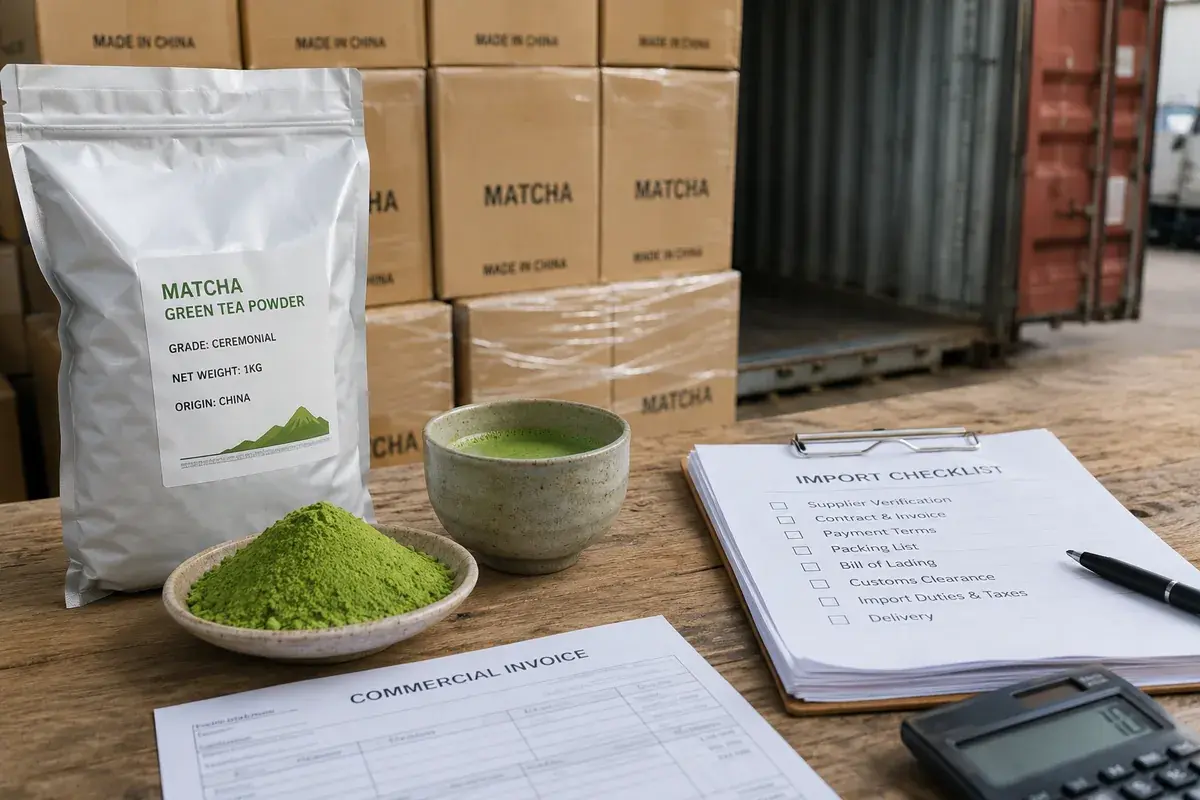
Chinese Matcha vs. Japanese Matcha: A B2B Buyer’s Guide to Quality, Price, and Supply Chain Stability
A detailed B2B comparison between Chinese and Japanese matcha powder. Learn about the differences in quality, price, and supply chain stability for wholesale sourcing.
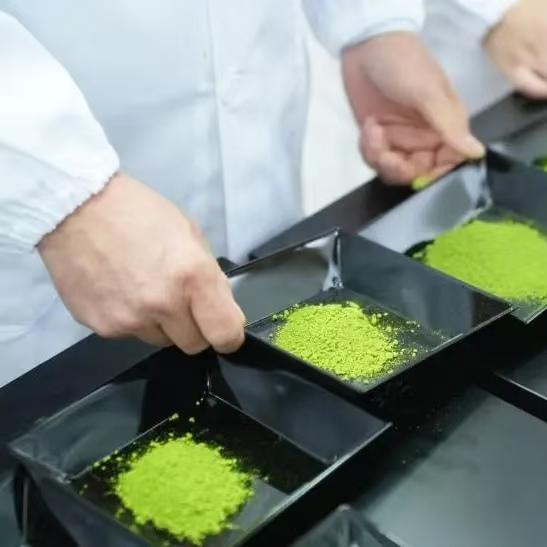
Table of Contents
Looking for Bulk Premium Matcha Powder?
Evaluate our premium shade-grown matcha grades (Ceremonial, Premium, and Culinary) in your own lab or kitchen.
For many B2B buyers and brand owners, the word "Matcha" is almost synonymous with Japan. However, as the global demand for matcha continues to surge, a significant shift is occurring in the international supply chain. China, the original birthplace of powdered tea during the Tang and Song Dynasties, has reclaimed its position as a global powerhouse in high-quality matcha production. For procurement managers, food scientists, and beverage entrepreneurs, the choice between Chinese and Japanese matcha is no longer just about origin—it is about balancing quality, price, and long-term supply chain stability. This guide provides a detailed B2B comparison to help you make the most strategic sourcing decision for your brand.
1. The Historical Context: Returning to the Source
It is a little-known fact outside the tea industry that matcha originated in China over 1,000 years ago. The "Dian Cha" (whipped tea) method was perfected during the Song Dynasty before being brought to Japan by Zen monks. (Read the full history in The History & Origin of Matcha.) While China transitioned to loose-leaf tea during the Ming Dynasty, Japan preserved the powdered tea tradition. Today, modern Chinese manufacturers like Orisen Tea have revived this ancient heritage, combining it with advanced Japanese grinding technology and large-scale agricultural infrastructure to supply the world's growing appetite for matcha.
2. Quality Comparison: Closing the Gap
Historically, Japanese matcha was considered superior due to its vibrant color and umami flavor. However, in the last decade, leading Chinese producers have invested heavily in the three pillars of matcha quality:
- Shading (Tana Shading): Premium Chinese matcha gardens now utilize the same "Tana" shading structures as Japanese gardens, blocking 90-98% of sunlight for 20-30 days to boost chlorophyll and L-theanine levels.
- Raw Material (Tencha): Chinese factories have adopted the strict "Tencha" process—steaming fresh leaves, flat-drying them without rolling, and meticulously removing stems and veins to ensure a pure, vibrant leaf flesh.
- Milling Technology & Cultivars: By importing high-end Japanese stone mills, advanced water-cooled jet mills, and cultivating premium varietals like Saemidori and Okumidori, Chinese producers achieve a particle size of 5-10 microns, matching top-tier Japanese grades. (Read our detailed Matcha Cultivars Guide to Saemidori, Okumidori & Yabukita.)
Result: In blind taste tests, professional buyers often find it difficult to distinguish between high-end Chinese Ceremonial Matcha and its Japanese counterparts.
3. The Price Advantage: Optimizing Your COGS
Price is the most significant differentiator for B2B buyers. On average, high-quality Chinese matcha is 30% to 50% more cost-effective than Japanese matcha of the same grade. This price gap is driven by several factors:
- Land and Labor Efficiency: China has vast regions of high-altitude, fertile tea-growing land (such as in Hunan province) and a more efficient labor structure for large-scale harvesting.
- Economies of Scale: Chinese facilities are often built for high-volume industrial output, reducing the overhead cost per kilogram.
- Direct-to-Factory Sourcing: By sourcing directly from a vertically integrated manufacturer like Orisen Tea, B2B buyers bypass multiple layers of Japanese trading houses and exporters, significantly reducing the final landed cost.
For brands scaling up—especially in the Premium Beverage and Culinary/Baking sectors—this cost saving directly translates into higher profit margins or more competitive retail pricing.
4. Supply Chain Stability and Scalability
For global beverage chains and large-scale food manufacturers, the ability to scale is critical. Japan's tea-growing regions are geographically limited and often face supply constraints during high-demand seasons. In contrast, China offers:
- Massive Production Capacity: China can produce thousands of tons of high-quality matcha annually, ensuring that even the largest global orders can be fulfilled without delay.
- Consistent Year-Round Supply: Large-scale Chinese manufacturers maintain significant inventories of Tencha (raw leaf), allowing for consistent grinding and supply throughout the year, protecting your brand from seasonal shortages.
- Logistical Efficiency: With advanced export infrastructure and direct shipping routes to major global ports, Chinese suppliers can often offer faster and more reliable lead times for bulk orders.
5. Compliance and Food Safety
A common concern for B2B buyers is food safety. However, modern Chinese export-oriented factories operate under the world's strictest standards. At Orisen Tea, our compliance framework includes:
- International Certifications: FDA Registration, ISO22000, HACCP, and Halal.
- Organic Standards: Full compliance with USDA Organic and EU Organic regulations, backed by traceable Transaction Certificates (TCs).
- Rigorous Testing: Every batch undergoes third-party testing (SGS/Eurofins) for pesticide residues and heavy metals to ensure it meets the Maximum Residue Limits (MRLs) of the destination country. (For a complete checklist of heavy metal and pesticide limits, see our Matcha Quality Grading & Evaluation Standards.)
6. Summary: Which Should You Choose?
| Factor | Japanese Matcha | Chinese Matcha (Orisen Tea) |
|---|---|---|
| Best For | Ultra-premium, niche tea ceremony brands where "Japan" origin is a core marketing pillar. | Global beverage chains, retail brands, supplement companies, and high-volume food manufacturers. |
| Quality | Excellent, traditional. | Comparable to Japanese (Ceremonial/Premium grades). |
| Price | High (Premium Pricing). | Highly Competitive (30-50% lower). |
| Scalability | Limited by land and production. | High (Scalable for global demand). |
Conclusion: The Strategic Choice for Modern Brands
While Japanese matcha will always hold a place in the traditional tea ceremony, high-quality Chinese matcha is the strategic choice for modern B2B brands looking to scale. By choosing a reliable Chinese partner, you can secure a product that matches Japanese quality standards while significantly optimizing your costs and ensuring a stable, long-term supply.
Ready to evaluate the quality for yourself? Read our Private Label & OEM Sourcing Guide to learn how to launch your brand, or contact our sales team to request a free sample kit for a side-by-side comparison.
FAQ: Chinese vs. Japanese Matcha
Q1: Is Chinese matcha safe?
Yes, provided you source from a certified, export-oriented manufacturer. Reputable Chinese suppliers follow international food safety standards (ISO22000, HACCP) and provide third-party lab reports (SGS) for every batch to ensure compliance with global pesticide and heavy metal limits.
Q2: Why is Chinese matcha so much cheaper?
The lower price is due to larger land availability, more efficient production at scale, and lower labor costs, not a reduction in quality. Sourcing directly from the factory also removes the markup of multiple middle-men found in the Japanese supply chain.
Q3: Can I get organic certified matcha from China?
Absolutely. China is one of the world's largest producers of organic tea. Leading manufacturers like Orisen Tea offer matcha that is fully certified to USDA Organic and EU Organic standards.
Interested in Sourcing Premium Matcha Powder?
Hunan Orisen Biotech Co., Ltd. is a certified factory source. Contact us for bulk wholesale pricing, custom formulation, or OEM private label packaging.
Related Articles
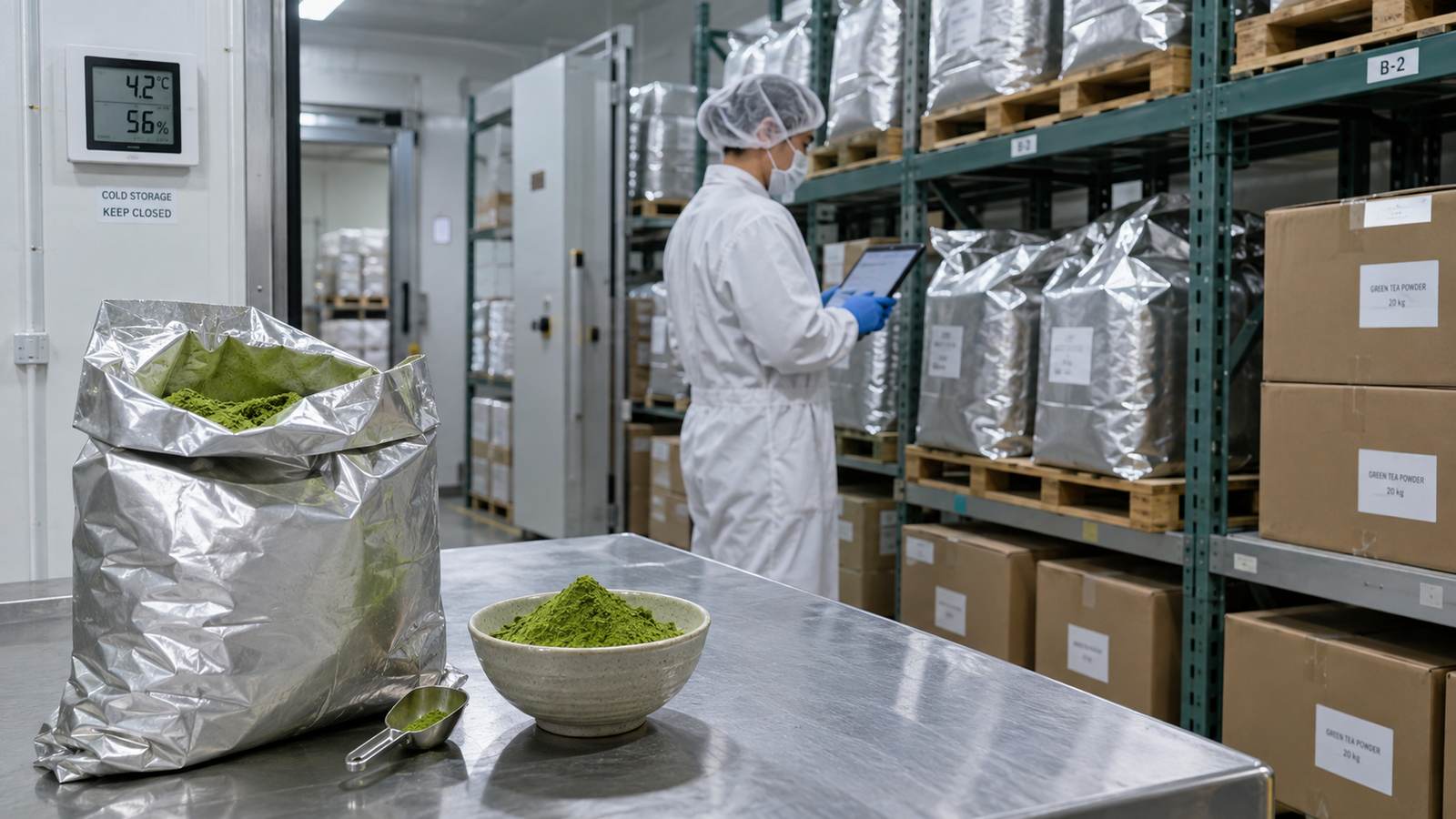
How to Store Bulk Matcha Powder: A B2B Guide to Warehousing, Packaging & Shelf Life