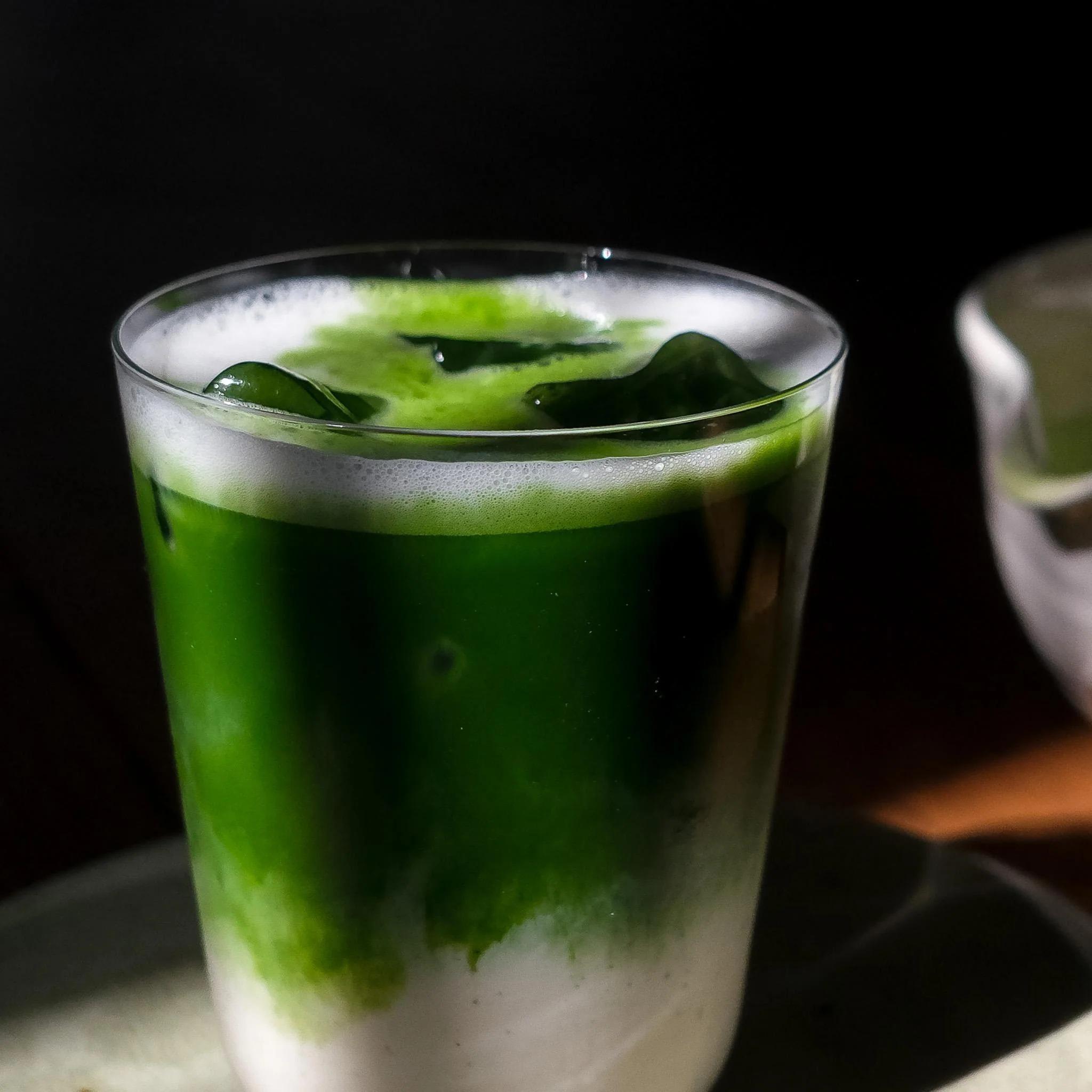
The Chemistry of Matcha in Baking: How to Prevent Chlorophyll Degradation (Browning)
An in-depth B2B guide exploring the food science of chlorophyll degradation in matcha baking, with practical solutions for pH control, temperature management, and grade selection.
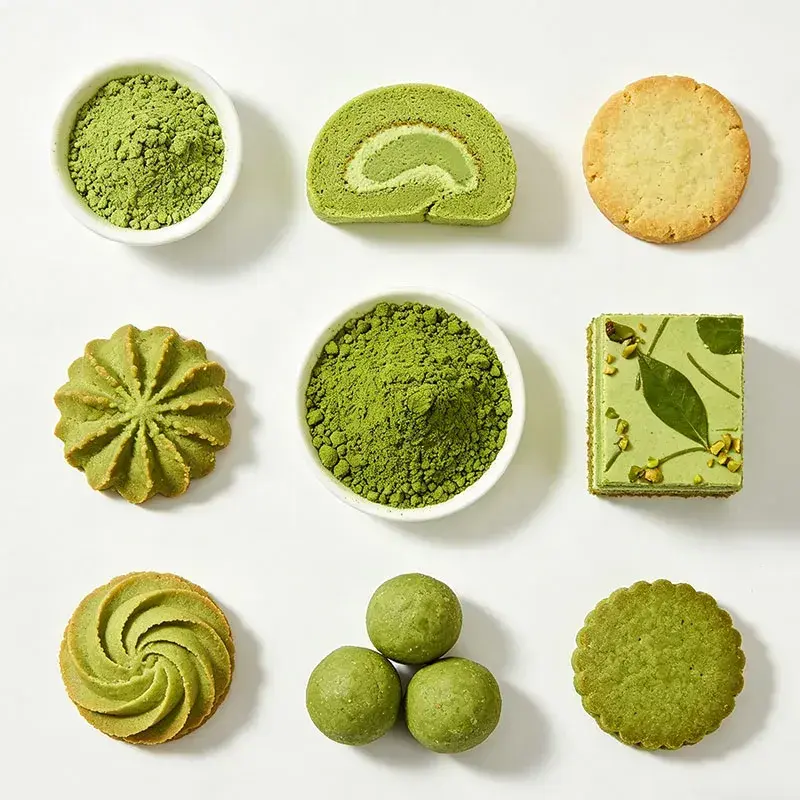
Table of Contents
Looking for Bulk Premium Matcha Powder?
Evaluate our premium shade-grown matcha grades (Ceremonial, Premium, and Culinary) in your own lab or kitchen.
For commercial bakers, pastry chefs, and food manufacturers, incorporating matcha into recipes offers a powerful dual benefit: a unique, earthy umami flavor and a vibrant, natural green color that appeals to health-conscious consumers. However, working with matcha in thermal processing presents a notorious challenge: browning. During baking, that beautiful jade green can quickly degrade into a dull, unappealing yellowish-brown. To solve this problem, food developers must look beyond simple recipes and understand the food chemistry of chlorophyll. This guide explores the scientific mechanisms behind matcha discoloration and provides actionable, technical solutions to preserve vibrant green color in commercial baked goods.
1. The Science: Why Does Matcha Turn Brown in the Oven?
The vibrant green color of matcha comes entirely from chlorophyll, the natural pigment responsible for photosynthesis in tea leaves. Chlorophyll is a highly sensitive and unstable molecule. When exposed to heat and acid during baking, it undergoes a chemical transformation known as pheophytinization. (For a broader look at how this pigment behaves in other food systems, see our Matcha Application Scenarios.)
In its natural state, a chlorophyll molecule contains a magnesium ion (Mg²⁺) at the center of its porphyrin ring. When subjected to thermal stress (heat) or acidic environments, the magnesium ion is displaced and replaced by two hydrogen ions (H⁺). This reaction converts chlorophyll into pheophytin.
This molecular shift changes the pigment's light absorption properties:
- Chlorophyll a & b: Absorb red and blue light, reflecting a brilliant green.
- Pheophytin a & b: Reflect a dull, olive-brown or yellowish-brown color.
Understanding how to halt or slow down this magnesium-displacement reaction is the key to maintaining green color in baked products.
2. Solution 1: Controlling the pH of the Batter
The rate of chlorophyll degradation is highly dependent on the pH of the food matrix. Acidic environments accelerate the replacement of magnesium with hydrogen ions. Therefore, managing the pH of your batter or dough is the most effective way to protect the green color.
- Avoid Acidic Ingredients: Ingredients like lemon juice, buttermilk, sour cream, cream of tartar, and natural cocoa powder are highly acidic (low pH) and will cause rapid browning. If these flavors are required, consider using natural flavor extracts instead of acidic liquids.
- Utilize Alkaline Leavening Agents: Sodium bicarbonate (baking soda) is alkaline (high pH). Incorporating a small, controlled amount of baking soda into your formulation shifts the pH of the batter toward neutral or slightly alkaline (pH 7.0 - 7.5). This alkaline environment stabilizes the magnesium ion in the chlorophyll ring, significantly reducing browning during baking.
Technical Tip: Be careful not to over-alkalize, as a pH above 8.0 can alter the texture of the crumb and introduce a soapy off-flavor.
3. Solution 2: Optimizing Temperature and Baking Time
Thermal energy is the catalyst for pheophytinization. The higher the baking temperature and the longer the exposure, the more complete the chlorophyll degradation will be. Commercial bakers can optimize their baking profiles to minimize heat damage:
- Lower Baking Temperatures: Instead of baking at standard high temperatures (e.g., 180°C / 350°F), reduce the oven temperature to 150°C - 160°C (300°F - 320°F) and slightly extend the baking time. This lower thermal stress preserves the chlorophyll structure.
- Water Bath (Bain-Marie): For delicate products like cheesecakes, custards, or chiffon cakes, baking in a water bath keeps the internal temperature of the product capped near 100°C (212°F), shielding the matcha from intense direct heat.
- Convection and Steam: Utilizing steam injection in commercial ovens at the beginning of the bake can help transfer heat efficiently, reducing the total bake time required to set the crumb.
4. Solution 3: Sourcing the Right Matcha Grade
It is a common misconception that using expensive Ceremonial Grade matcha will yield the best color in baking. In fact, the opposite is true. Ceremonial matcha is made from delicate, first-flush spring leaves that are highly sensitive to heat. For baking, a robust, heat-stable culinary grade is required.
At Orisen Tea, our Culinary Grade Matcha is specifically harvested and processed to withstand thermal applications:
- Higher Catechin Content: Harvested in the second flush (summer), these leaves contain more robust catechins (antioxidants) which act as natural stabilizers, helping to shield the pigments from heat degradation.
- Intense Flavor Profile: The stronger, slightly astringent flavor of culinary matcha ensures that the distinct tea taste remains clear and recognizable, even after mixing with flour, sugar, butter, and eggs.
5. Practical Formulation Tips for Commercial Bakers
To implement these scientific principles in your production line, follow these practical steps:
- Pre-disperse the Matcha: Matcha powder is hydrophobic and tends to clump. Pre-blend the matcha with your dry ingredients (like flour or starch) or whisk it into a warm fat source (like melted butter or oil) before combining it with liquids. This ensures an even distribution of pigment throughout the batter.
- Use Opaque Packaging: Once baked, the chlorophyll in your finished products remains sensitive to light-induced oxidation (photo-oxidation). If your products are sold on retail shelves, use opaque or UV-blocking packaging to prevent light from fading the green color over time.
- Consider Natural Color Boosters: In high-temperature applications where browning is unavoidable, some manufacturers incorporate a small amount of natural, heat-stable green colorants (such as copper chlorophyllin or spinach juice concentrate) to support the matcha's natural hue, provided it aligns with clean-label regulations.
Partner with a Technical Matcha Supplier
Hunan Orisen Biotech Co., Ltd. (Orisen Tea) is more than just a bulk supplier; we are your technical partner in product development. We manage our own shade-grown tea gardens and certified processing facilities, allowing us to supply consistent, heat-stable culinary matcha tailored for industrial bakery and confectionery lines. All our products are backed by FDA, USDA Organic, EU Organic, and ISO22000 certifications. Contact our technical sales team today to request free samples and discuss your formulation requirements.
FAQ: Matcha Baking Chemistry
Q1: Why does my matcha cake look green on the inside but brown on the crust?
The crust is exposed to direct, dry oven heat exceeding 150°C, causing complete chlorophyll degradation and caramelization/Maillard browning. The interior of the cake remains moist, and its temperature rarely exceeds 100°C, which preserves the chlorophyll. To minimize the brown crust, bake at lower temperatures or cover the product with foil during the first half of the bake.
Q2: Can I use organic matcha for baking?
Yes. However, because organic tea plants rely on slow-release organic fertilizers, they may have slightly lower chlorophyll levels than chemically fertilized plants. (Learn more about our agricultural practices in Matcha Tea Garden Management.) Ensure you source a high-quality, vibrant organic culinary grade and adjust your dosage slightly higher if necessary. Read our Private Label & OEM Sourcing Guide for more details on organic compliance.
Q3: What is the recommended dosage of matcha in bakery formulations?
For cakes, cookies, and pastries, the recommended dosage is typically 2.0% to 4.0% of the total flour weight. For fillings, frostings, and chocolates, a dosage of 3.0% to 5.0% is recommended to ensure both color and flavor cut through the fat and sugar.
Interested in Sourcing Premium Matcha Powder?
Hunan Orisen Biotech Co., Ltd. is a certified factory source. Contact us for bulk wholesale pricing, custom formulation, or OEM private label packaging.
Related Articles
Formulating Hojicha Powder: Commercial Applications in Lattes, Bakery, and Low-Caffeine Menus
Formulating Matcha Ice Cream & Gelato: Overcoming Flavor Suppression and Fat-Masking in Cold Emulsions