The Rise of Mushroom Matcha and Adaptogenic Blends: B2B Market Trends & Formulation Insights
An in-depth B2B analysis of the surging demand for mushroom matcha and adaptogenic green tea blends, exploring market drivers, key functional ingredients (Lion's Mane, Reishi, Cordyceps), and technical formulation challenges for wellness brands.
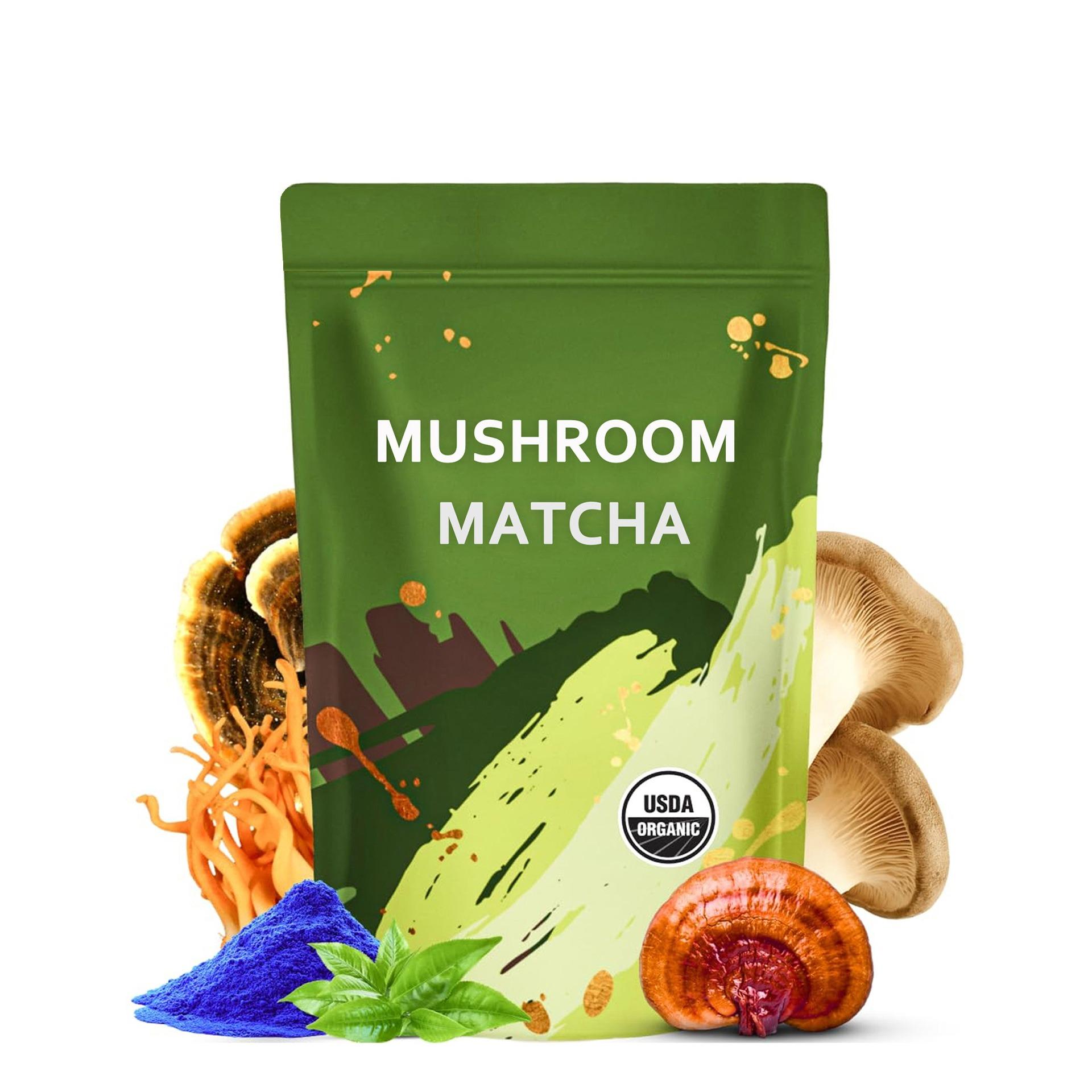
Table of Contents
Looking for Bulk Premium Matcha Powder?
Evaluate our premium shade-grown matcha grades (Ceremonial, Premium, and Culinary) in your own lab or kitchen.
The global wellness market is experiencing a massive convergence of two powerful forces: the sustained popularity of premium green tea powder and the explosive growth of functional mushrooms and adaptogens. Leading this wave is Mushroom Matcha—a synergistic blend of bulk matcha powder with cognitive-enhancing and stress-relieving adaptogenic ingredients. Brands like Ryze, Everyday Dose, and Mud\Wtr have demonstrated the immense consumer appetite for functional coffee alternatives, and now wellness brands, supplement manufacturers, and beverage developers are rushing to launch their own adaptogenic matcha lines. For B2B buyers and product developers, this trend represents a high-margin opportunity to capture the Gen Z and Millennial focus on mental clarity, stress resilience, and clean energy. This guide explores the market drivers, key functional combinations, and technical formulation insights for launching a successful adaptogenic matcha blend.
1. Market Drivers: Why Adaptogenic Matcha is Exploding
The surge in search volume and sales for mushroom matcha is driven by three primary consumer shifts:
- The Quest for Cognitive Optimization: Consumers are moving beyond simple physical energy. They want "brain food" that enhances focus, memory, and productivity. Matcha's natural L-theanine and caffeine synergy already provides a clean, jitter-free energy boost, making it the perfect vehicle for nootropics like Lion's Mane.
- Stress and Cortisol Management: Chronic stress has led to a booming demand for adaptogens—natural substances that help the body adapt to stress and normalize physiological processes. Blending adaptogens with matcha offers a daily wellness ritual that actively supports adrenal health.
- The Premiumization of Daily Rituals: Consumers are willing to pay a significant premium (often 30% to 50% more per serving) for functional beverages that offer targeted health benefits compared to standard green tea or coffee.
2. Key Functional Ingredients in Adaptogenic Matcha Blends
Formulators are combining high-quality bulk matcha with specific functional mushrooms and herbs to target distinct health outcomes:
A. Lion's Mane (Hericium erinaceus) – Focus & Brain Health
Lion's Mane is the most popular functional mushroom in the nootropic space. It stimulates the production of Nerve Growth Factor (NGF), supporting neurogenesis, memory, and cognitive function. When paired with matcha, it enhances the natural "calm focus" effect, making it a favorite for morning productivity blends.
B. Reishi (Ganoderma lucidum) – Calm & Stress Relief
Known as the "mushroom of immortality," Reishi is a powerful adaptogen that supports the nervous system, promotes relaxation, and aids sleep quality. Reishi-infused matcha is typically marketed as an afternoon or evening wind-down beverage, helping to balance the nervous system.
C. Cordyceps (Cordyceps militaris) – Energy & Performance
Cordyceps improves cellular oxygen utilization and ATP (adenosine triphosphate) production, enhancing physical endurance, stamina, and respiratory health. This blend is highly popular in sports nutrition and active lifestyle markets.
D. Ashwagandha & L-Theanine Isolates – Adrenal Support
Ashwagandha is a well-researched adaptogen that helps lower cortisol levels and combat anxiety. Adding Ashwagandha and extra L-theanine isolates to matcha creates a potent anti-stress formula that keeps consumers calm yet alert.
3. Technical Formulation Challenges & Solutions
While the marketing appeal of mushroom matcha is strong, R&D teams must solve several physical and sensory challenges to create a commercially viable product:
A. Overcoming the Bitter, Earthy Taste Profile
Functional mushrooms and adaptogens (especially Reishi and Ashwagandha) have extremely strong, bitter, and earthy flavors that can easily overpower the delicate, grassy notes of matcha.
Solution: Formulators must select a robust, full-bodied matcha grade that can stand up to these strong flavors. Sourcing a high-quality Premium Grade Matcha provides the necessary chlorophyll and amino acid profile to balance the bitterness. Additionally, incorporating natural flavor-masking agents, vanilla extracts, or natural sweeteners like monk fruit (mogroside V) and stevia (Rebaudioside M) helps round out the flavor profile without adding sugar.
B. Particle Size Homogeneity and Solubility
Matcha is a micro-fine powder (5 to 10 microns). Functional mushroom extracts, however, are often spray-dried powders with larger, irregular particle sizes (30 to 100 microns). If dry-blended directly, the mixture will segregate during shipping and handling, leading to inconsistent dosing and a gritty mouthfeel.
Solution: Ensure all active ingredients are micronized to match the particle size of the matcha. Using advanced dry-blending equipment (like ribbon blenders or V-blenders) ensures a homogeneous mix. For instant beverage mixes, agglomeration or wet-granulation can be used to create easily dispersible particles that dissolve smoothly in water.
C. Moisture Control and Shelf Life Stability
Matcha is highly hygroscopic and sensitive to moisture, which triggers chlorophyll oxidation (turning the powder brown) and clumping. Many mushroom extracts are also highly hygroscopic and can absorb moisture from the air rapidly.
Solution: The moisture content of all raw materials in the blend must be strictly controlled (ideally below 4.0%). Processing must take place in a temperature- and humidity-controlled environment (relative humidity < 35%). Finished products must be packed in airtight, light-proof, and moisture-barrier packaging, such as nitrogen-flushed aluminum tins or multi-layer foil pouches. (Read more about packaging in our Private Label & OEM Sourcing Guide.)
4. B2B Sourcing and Quality Compliance Checklist
When sourcing ingredients for functional blends, compliance and safety are paramount. B2B buyers must enforce strict quality standards:
- Organic Certification: Because functional matcha is marketed to health-conscious consumers, USDA Organic and EU Organic certifications are highly preferred. Organic sourcing ensures the ingredients are free from synthetic pesticides and chemical residues.
- Standardized Active Compounds: Ensure that the mushroom extracts used are standardized for active compounds (e.g., Lion's Mane standardized to 30% beta-glucans) to guarantee functional efficacy.
- Heavy Metal and Pesticide Testing: Tea plants and mushrooms can accumulate heavy metals from the soil. Every batch must be accompanied by a Certificate of Analysis (COA) verifying that Lead, Arsenic, Cadmium, and pesticide residues are well below regulatory limits. (See testing standards in Matcha Quality Grading & Evaluation Standards.)
Summary: Formulation Matrix for Adaptogenic Matcha
| Target Benefit | Key Active Ingredients | Recommended Matcha Grade | Flavor Profile & Sweetener |
|---|---|---|---|
| Mental Focus & Clarity | Lion's Mane Extract, L-Theanine | Premium Grade | Smooth, grassy, sweetened with monk fruit. |
| Stress Relief & Calm | Reishi Extract, Ashwagandha | Premium Grade | Earthy, balanced with vanilla or cinnamon. |
| Physical Performance | Cordyceps Extract, Ginseng | Culinary Grade A | Robust, slightly bitter, ideal for protein shakes. |
Partner with Orisen Tea for Custom Blending & OEM
Hunan Orisen Biotech Co., Ltd. (Orisen Tea) is your vertically integrated partner for bulk matcha supply and custom OEM blending. We operate our own high-altitude, shade-grown tea gardens and state-of-the-art processing facilities certified under FDA, USDA Organic, EU Organic, ISO22000, and Halal standards. Our application lab works directly with wellness brands to develop custom functional formulations, optimize particle size dispersion, and conduct stability testing. Contact our B2B sales team today to request a free sample kit and discuss your adaptogenic matcha project.
FAQ: Formulating Mushroom Matcha
Q1: Can we use raw mushroom powders instead of extracts in our matcha blend?
We highly recommend using standardized mushroom extracts (water or alcohol extracted) rather than raw mushroom powders. Extracts have significantly higher bioavailability of active compounds (like beta-glucans) and are much easier to dissolve in hot or cold liquids, preventing a gritty residue at the bottom of the cup.
Q2: How do we prevent the green color of matcha from fading in a functional blend?
Chlorophyll is highly sensitive to light, heat, and oxygen. To prevent fading, the finished blend must be packed in airtight, light-proof packaging (such as aluminum tins or multi-layer foil pouches) and stored in a cool, dry place. (Read more on packaging in the Private Label & OEM Sourcing Guide.)
Q3: What is the typical shelf life of a packaged mushroom matcha blend?
When formulated with low-moisture ingredients (under 4.0%) and packed under nitrogen-flushed, airtight conditions, a packaged mushroom matcha blend has a shelf life of 12 to 18 months. Storing the product in a cool, dry environment is critical to maintaining both the color of the matcha and the efficacy of the active ingredients.
Interested in Sourcing Premium Matcha Powder?
Hunan Orisen Biotech Co., Ltd. is a certified factory source. Contact us for bulk wholesale pricing, custom formulation, or OEM private label packaging.
Related Articles
The Rise of Sparkling & Nitro Cold Brew Matcha: 2026 Ready-to-Drink Beverage Innovations