Functional Matcha Blends: The Next Frontier for Wellness and Supplement Brands
An in-depth B2B guide exploring the rise of functional matcha blends, key ingredient combinations (collagen, adaptogens, probiotics), and technical formulation considerations for wellness and supplement brands.
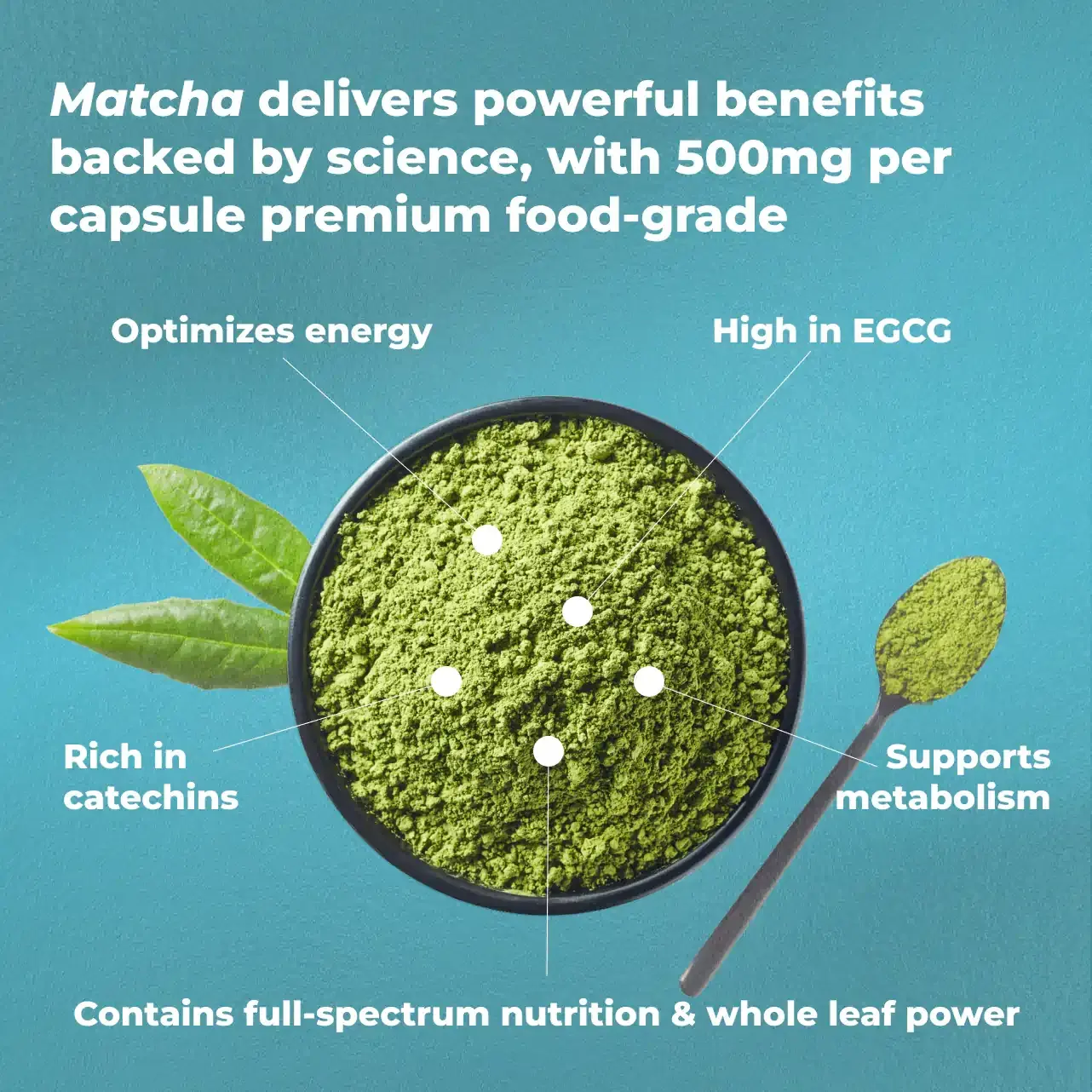
Table of Contents
Looking for Bulk Premium Matcha Powder?
Evaluate our premium shade-grown matcha grades (Ceremonial, Premium, and Culinary) in your own lab or kitchen.
The global health and wellness market is undergoing a significant paradigm shift. Modern consumers are no longer satisfied with single-ingredient supplements; they are actively seeking multi-functional, synergistic products that offer targeted health benefits in convenient, delicious formats. In this evolving landscape, matcha has emerged as a premier base ingredient. Its vibrant green color, high consumer recognition, and rich nutritional profile make it the perfect vehicle for functional ingredients. For dietary supplement brands, nutraceutical companies, and wellness food manufacturers, developing functional matcha blends represents the next major frontier for product innovation and market differentiation. This guide explores why functional matcha is trending, the key formulation combinations, and the technical considerations for B2B brands looking to launch their own lines.
1. Why Matcha is the Ultimate Functional Base
Matcha is not just a flavor agent; it is a nutritional powerhouse in its own right. Because consumers ingest the entire shade-grown tea leaf, matcha delivers a concentrated dose of bioactive compounds that provide an ideal foundation for functional formulations:
- High Antioxidant Capacity (EGCG): Matcha is exceptionally rich in epigallocatechin gallate (EGCG), a catechin that combats oxidative stress, supports cellular health, and boosts metabolic rate.
- L-Theanine & Caffeine Synergy: The natural combination of L-theanine and caffeine provides a sustained, jitter-free energy boost—often referred to as "calm focus"—which enhances cognitive performance and reduces stress. (Read more about this mechanism in Matcha as a Coffee Alternative.)
- Clean-Label Appeal: Matcha acts as a 100% natural, plant-based green colorant and flavor enhancer, aligning perfectly with the clean-label movement.
2. Four High-Growth Functional Matcha Combinations
Wellness and supplement brands are successfully combining bulk matcha powder with other active ingredients to target specific consumer needs:
A. Matcha + Collagen (Beauty-from-Within)
Targeting the booming nutricosmetics market, this blend combines the skin-elasticity and joint-health benefits of collagen peptides with the antioxidant power of matcha. The catechins in matcha help protect skin cells from UV-induced free radical damage, complementing the structural support provided by collagen.
- Target Audience: Beauty, skincare, and healthy aging consumers.
- Formulation Tip: Marine or bovine collagen peptides can sometimes introduce a slight off-flavor. Sourcing a high-quality, vibrant Premium Grade Matcha is essential to mask these notes and maintain a clean, grassy taste profile.
B. Matcha + Adaptogens & Nootropics (Cognitive Health & Stress Relief)
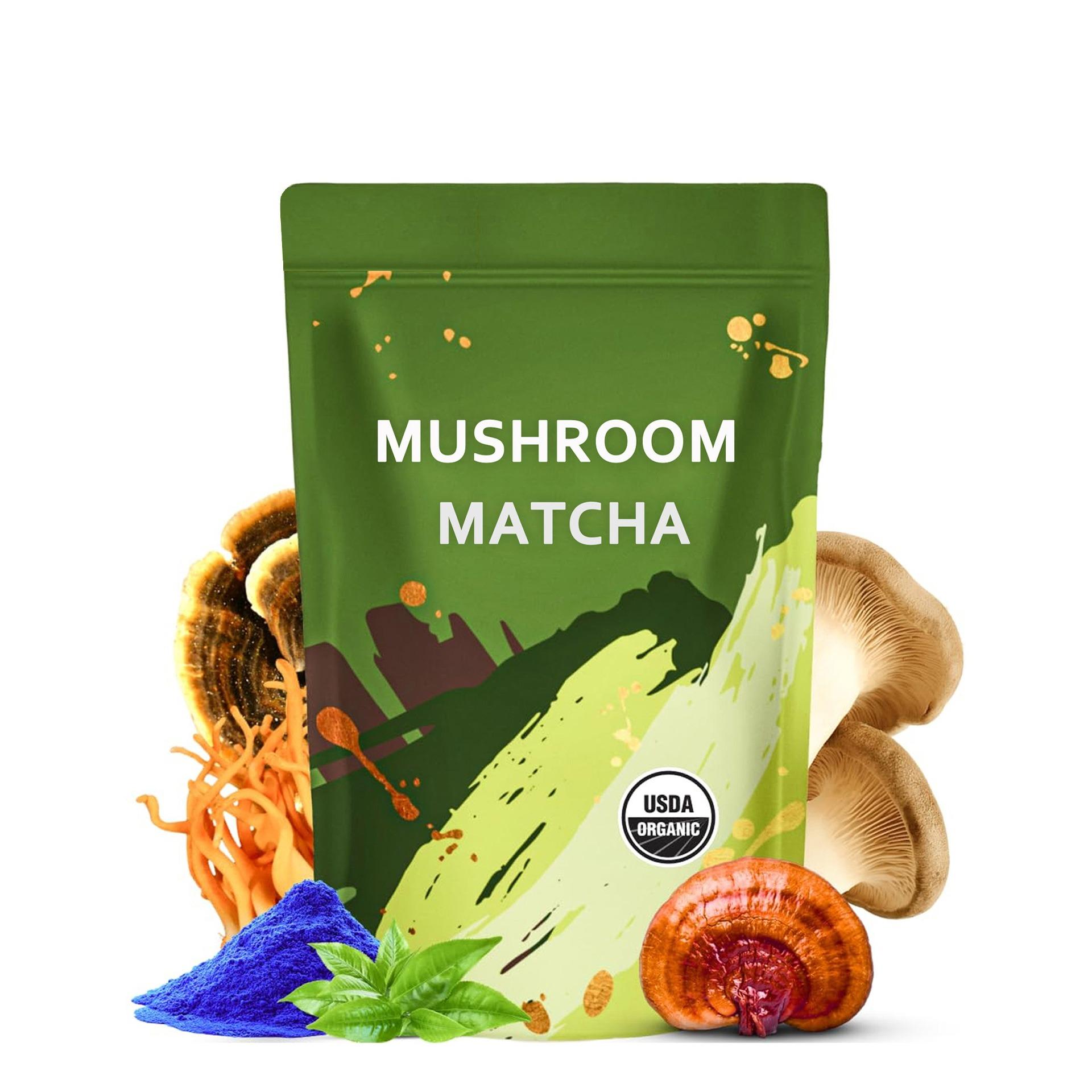
This category, often marketed as "Mushroom Matcha," blends matcha with functional mushrooms (like Lion's Mane for focus, Cordyceps for physical endurance, or Reishi for relaxation) and adaptogenic herbs (like Ashwagandha or L-Theanine isolates). It enhances matcha's natural "calm focus" to target mental clarity, memory, and stress resilience.
- Target Audience: Professionals, students, and wellness enthusiasts seeking cognitive enhancement.
- Formulation Tip: Mushroom extracts can have a strong, earthy, or bitter taste. Formulators must balance the recipe using natural sweeteners (like monk fruit or stevia) and a robust, full-bodied matcha grade.
C. Matcha + Probiotics & Prebiotics (Gut Health & Digestion)
With gut health remaining a top priority for consumers, brands are blending matcha with heat-stable probiotic strains (such as Bacillus coagulans) and prebiotic fibers (like inulin or acacia gum). This combination supports digestive health while delivering a daily dose of antioxidants.
- Target Audience: Digestive health and daily wellness consumers.
- Formulation Tip: Ensure the probiotic strain used is highly stable in dry powder form and can withstand warm liquid preparation.
D. Matcha + Plant Proteins (Active Nutrition & Weight Management)
Matcha is increasingly used to flavor and functionalize protein powders (pea, rice, hemp, or whey). EGCG in matcha has been shown to support thermogenesis and fat oxidation, making it a popular addition to weight management and sports nutrition lines.
- Target Audience: Fitness enthusiasts, athletes, and weight-conscious consumers.
3. Technical and Processing Challenges in Functional Blending
Formulating a successful functional matcha blend requires solving several physical and chemical challenges in the R&D lab:
- Flavor Masking: Many functional ingredients (collagen, mushroom extracts, vitamins) have strong, unpalatable flavors. Product developers must carefully balance the astringency of matcha with natural sweeteners, vanilla, or citrus notes to create an enjoyable drinking experience. (Explore our custom formulation support in Matcha Application Scenarios.)
- Homogeneity and Particle Size: Matcha is a micro-fine powder (5-10 microns). If blended with ingredients of larger particle sizes (such as standard protein powders or coarse fibers), the mixture will segregate during shipping and storage, leading to inconsistent dosing. Brands must ensure all ingredients are micronized to match matcha's particle size or utilize specialized dry-blending equipment. (Learn about milling in The Matcha Production Process.)
- Moisture Control: Matcha is highly hygroscopic (absorbs moisture easily). Adding ingredients with high moisture content will cause clumping and accelerate chlorophyll oxidation (browning). The moisture content of all raw materials in the blend must be strictly controlled, ideally below 4.0% to 5.0%.
4. Sourcing and Compliance Checklist for B2B Buyers
When sourcing matcha for dietary supplements, compliance and safety are non-negotiable. B2B buyers must enforce strict standards:
- Organic Certification: For supplement brands, USDA Organic and EU Organic certifications are critical. Organic cultivation ensures the powder is free from synthetic pesticide residues, which is a key selling point for health-conscious consumers. (Compare origins in our Chinese vs. Japanese Matcha Sourcing Guide.)
- Heavy Metal Testing: Tea plants naturally absorb minerals from the soil. Every batch of matcha must be tested for heavy metals (Lead, Arsenic, Cadmium) to ensure they are well below regulatory thresholds.
- Microbiological Purity: Since functional powders are often consumed raw in smoothies, strict microbiological limits (Total Plate Count < 10,000 CFU/g, negative for Salmonella and E. coli) are mandatory. (See testing protocols in Matcha Quality Grading & Evaluation Standards.)
Partner with Orisen Tea for Custom Blending & OEM
Hunan Orisen Biotech Co., Ltd. (Orisen Tea) is more than a bulk supplier; we are your technical partner in product development. We offer a comprehensive OEM Private Label Packaging service and specialized R&D support for custom functional formulations. We operate our own shade-grown tea gardens and state-of-the-art processing facilities, ensuring full traceability, consistent quality, and competitive pricing. All our products are backed by FDA, USDA Organic, EU Organic, ISO22000, and Halal certifications. Contact our technical sales team today to request free samples and discuss your custom formulation requirements.
FAQ: Functional Matcha Blending
Q1: What grade of matcha is best for functional blends?
For drinking blends (like lattes or instant mixes), we recommend Premium Grade Matcha as it provides a vibrant green color and a balanced flavor. For protein powders or capsules where color is less critical, a high-quality Culinary Grade Matcha is more cost-effective.
Q2: How do you prevent the green color from fading in functional blends?
Chlorophyll is highly sensitive to light, heat, and oxygen. To prevent fading, finished products must be packed in airtight, light-proof packaging (such as aluminum tins or multi-layer foil pouches) and stored in a cool, dry place. (Read more on packaging in the Private Label & OEM Sourcing Guide.)
Q3: Can you handle the entire blending and packaging process for our brand?
Yes. Orisen Tea provides end-to-end OEM services, including custom ingredient sourcing, precision dry-blending, and packaging into tins, pouches, or single-serve stick packs under strict GMP-compliant conditions.
Interested in Sourcing Premium Matcha Powder?
Hunan Orisen Biotech Co., Ltd. is a certified factory source. Contact us for bulk wholesale pricing, custom formulation, or OEM private label packaging.
Related Articles
The Rise of Sparkling & Nitro Cold Brew Matcha: 2026 Ready-to-Drink Beverage Innovations