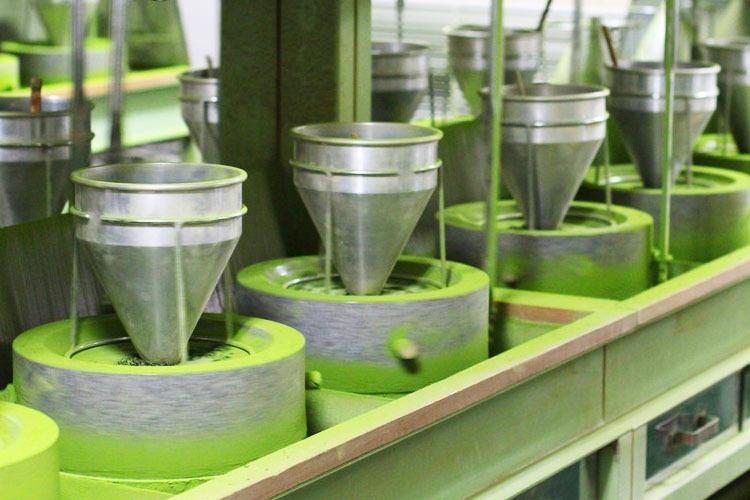
Matcha Cultivars Guide: How Saemidori, Okumidori, and Yabukita Define Flavor, Color, and B2B Sourcing
A comprehensive B2B guide to matcha cultivars, exploring the chemical profiles, sensory characteristics, and sourcing strategies of Saemidori, Okumidori, and Yabukita.
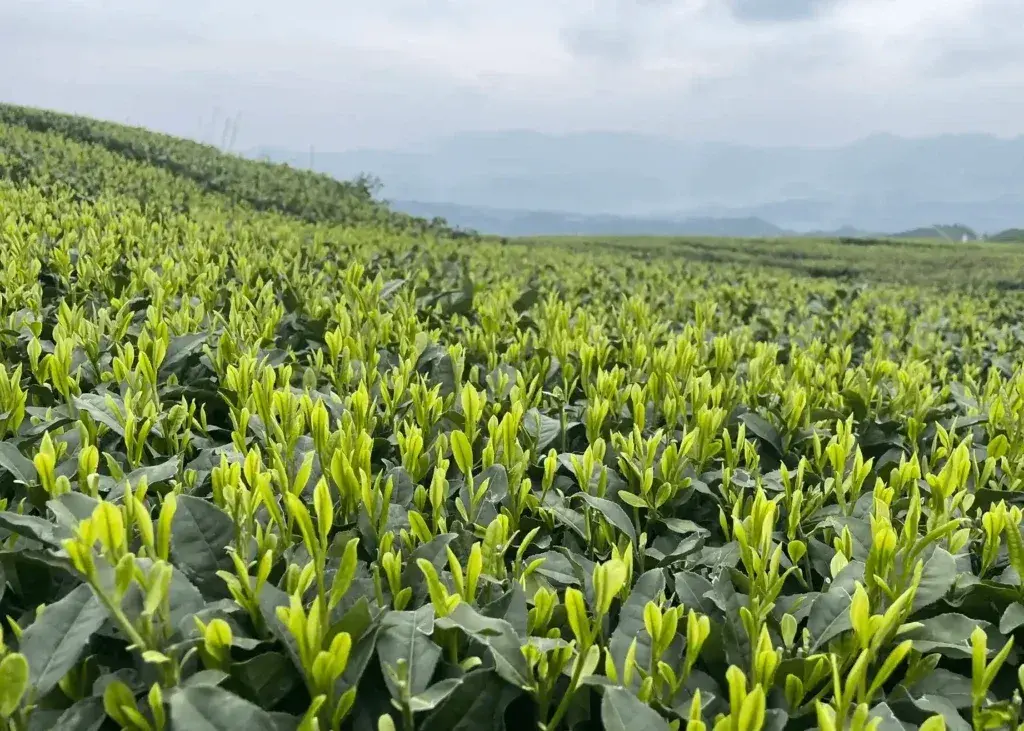
Table of Contents
Looking for Bulk Premium Matcha Powder?
Evaluate our premium shade-grown matcha grades (Ceremonial, Premium, and Culinary) in your own lab or kitchen.
In the global food, beverage, and wellness industries, matcha has transitioned from a niche ceremonial tea into a mainstream powerhouse. For B2B buyers, procurement managers, and R&D directors, sourcing the right matcha powder is a critical decision that directly impacts product quality, flavor consistency, and the Cost of Goods Sold (COGS). While agricultural shading (Tana shading) and micro-milling are essential processing steps, the ultimate foundation of matcha quality lies in its genetics: the tea cultivar (varietal). Just as wine grapes determine the profile of a vintage, the specific cultivar of the tea plant (Camellia sinensis) dictates the amino acid density, catechin levels, chlorophyll concentration, and overall flavor profile of the finished powder. This comprehensive B2B guide explores the chemistry and sensory profiles of the major matcha cultivars—Saemidori, Okumidori, and Yabukita—and provides strategic sourcing insights for commercial product formulation.
1. The Chemistry of Cultivars: L-Theanine, Catechins, and Chlorophyll
To evaluate matcha cultivars objectively, food scientists and R&D teams must understand how genetic variations affect the chemical composition of the tea leaf:
- L-Theanine (Amino Acids): L-theanine is synthesized in the roots and transported to the leaves. It is responsible for the sweet, savory, and rich umami flavor of premium matcha. High-end cultivars are genetically predisposed to synthesize and retain higher levels of L-theanine, especially under shade-growing conditions.
- Catechins (Polyphenols): Catechins are antioxidants that provide astringency and bitterness. In direct sunlight, L-theanine converts into catechins. While shading halts this conversion, some cultivars naturally maintain lower catechin baselines, resulting in a smoother, less bitter taste.
- Chlorophyll: Chlorophyll is the pigment that gives matcha its vibrant jade green color. Cultivars with high chlorophyll potential yield a brighter, more visually appealing green powder, which is critical for clean-label visual appeal in retail products.
2. Deep Dive: The Major Matcha Cultivars
Different cultivars offer distinct chemical and sensory profiles, making them suitable for specific commercial applications. The three most prominent cultivars in the global matcha supply chain are:
A. Saemidori (Saemidori - "Vibrant Green")
Saemidori is an early-budding cultivar bred by crossing the sweet Asatsuyu with the robust Yabukita. It has quickly become the gold standard for premium drinking matcha.
- Chemical Profile: Exceptionally high L-theanine content and very low catechin levels.
- Sensory Characteristics: Saemidori produces a powder with an "electric" jade green color. The taste is incredibly smooth, sweet, and rich in umami, with virtually zero bitterness or astringency. It features a fresh, creamy, and floral aroma.
- B2B Application: Best suited for ultra-premium ceremonial drinking matcha, single-origin retail lines, and high-end cafe menus where the matcha is whisked straight with water.
B. Okumidori (Okumidori - "Deep Green")
Okumidori is a late-budding cultivar, meaning it sprouts later in the spring, protecting it from late frosts. It is highly valued for its agricultural reliability and balanced flavor profile.
- Chemical Profile: Highly balanced ratio of amino acids and catechins, with excellent chlorophyll density.
- Sensory Characteristics: Okumidori yields a deep, rich green powder. The flavor is round, full-bodied, and clean, with a mild, pleasant tea astringency that transitions into a long-lasting sweet finish. It has a very clean, classic tea aroma without any grassy off-notes.
- B2B Application: The ultimate "all-rounder" cultivar. It is highly recommended for premium lattes, RTD beverage formulations, and high-quality ice cream bases where a balance of color and robust flavor is required.
C. Yabukita (Yabukita - "The Industry Standard")
Yabukita is the most widely cultivated tea varietal, accounting for a significant portion of tea gardens due to its extreme hardiness, frost resistance, and high yield.
- Chemical Profile: Moderate L-theanine, higher catechin and caffeine levels.
- Sensory Characteristics: Yabukita produces a slightly yellowish-green or olive-green powder. The flavor profile is characterized by a strong, traditional tea astringency, a robust grassy aroma, and a distinct bitter-sweet complexity. It provides a powerful "tea body."
- B2B Application: Ideal for culinary applications, commercial baking, confectionery, and mass-market beverage mixes. Its robust flavor ensures the tea taste cuts through heavy fats, sugars, and flour. (Read more about baking chemistry in our Chemistry of Matcha in Baking Guide.)
D. Asatsuyu (Asatsuyu - "The Natural Gyokuro")
Asatsuyu is a rare, early-budding cultivar famous for its natural sweetness, often referred to as "natural Gyokuro" due to its similarity to premium shade-grown loose tea.
- Chemical Profile: Extremely high amino acid content and unique volatile aroma compounds.
- Sensory Characteristics: Bright yellow-green color with a highly sweet, rich, and brothy umami taste.
- B2B Application: Used primarily as a specialty single-origin offering or as a blending agent to boost the sweetness and aroma of premium blends.
3. B2B Cultivar Comparison Matrix
The table below summarizes the key differences between the major matcha cultivars to assist procurement and R&D teams in ingredient selection:
| Cultivar | Harvest Timing | Color Intensity | Umami (Sweetness) | Bitterness (Catechins) | Primary B2B Application |
|---|---|---|---|---|---|
| Saemidori | Early Spring (First Flush) | Vibrant Jade Green (Excellent) | Very High (Excellent) | Very Low | Ceremonial Grade, Single-Origin Retail |
| Okumidori | Late Spring (First Flush) | Deep Jade Green (Very Good) | High (Balanced) | Low to Moderate | Premium Grade, Lattes, RTD Beverages |
| Yabukita | Mid-Spring (First & Second Flush) | Yellow-Green / Olive (Good) | Moderate | High (Robust) | Culinary Grade, Baking, Confectionery |
| Asatsuyu | Early Spring (First Flush) | Bright Yellow-Green (Good) | Very High (Sweet) | Very Low | Specialty Blends, Sweetened Mixes |
4. Sourcing Strategy: Single-Origin vs. Master Blends
When sourcing bulk matcha, brands must choose between single-origin varietals and blended formulations:
- Single-Origin Matcha: Sourcing 100% of a single cultivar (e.g., 100% Saemidori) offers a unique marketing narrative and a distinct flavor profile. However, single-origin matcha is highly vulnerable to seasonal weather variations, leading to potential flavor shifts and price volatility between harvest years.
- Master Blending (The B2B Standard): To ensure year-round consistency, professional manufacturers like Orisen Tea employ master tea blenders. By blending different cultivars (for example, combining the vibrant color of Saemidori, the smooth body of Okumidori, and the robust structure of Yabukita), we create a balanced, consistent flavor profile. This blending process stabilizes the Cost of Goods Sold (COGS) and guarantees that the matcha you receive in January tastes and performs identically to the batch received in July.
5. Agricultural Adaptation: Cultivating Premium Cultivars in China
Historically, these premium cultivars were grown exclusively in Japan. However, the global demand for matcha has driven agricultural innovation. Hunan Orisen Biotech Co., Ltd. (Orisen Tea) has successfully established high-altitude, shade-grown tea gardens in Hunan, China, utilizing imported premium cultivars.
Hunan's unique microclimate—characterized by natural mountain mist, acidic soil (pH 4.5–5.5), and optimal temperature fluctuations—provides the perfect environment for these cultivars to thrive. By combining these genetics with advanced Japanese processing technology and large-scale agricultural efficiency, we supply premium Chinese matcha that matches Japanese quality standards at a 30% to 50% cost advantage. (Compare origins in our Chinese vs. Japanese Matcha Sourcing Guide.)
6. Partner with Orisen Tea for Custom Blends & OEM
Hunan Orisen Biotech Co., Ltd. (Orisen Tea) is your vertically integrated partner for bulk matcha supply and custom OEM blending. We manage our own shade-grown tea gardens and state-of-the-art processing facilities certified under FDA, USDA Organic, EU Organic, ISO22000, and Halal standards. Our application lab works directly with beverage chains and wellness brands to develop custom formulations, select the optimal cultivar blends for your target application, and conduct stability testing. We offer end-to-end OEM Private Label Packaging solutions, including custom-printed tins, pouches, and single-serve stick packs. Contact our B2B sales team today to request a free sample kit of our cultivar-specific matcha range and discuss your project requirements.
FAQ: Matcha Cultivars in Commercial Applications
Q1: Can we request a custom cultivar ratio for our private label brand?
Yes. For large-scale orders (starting at 500kg), our master blenders can formulate a custom cultivar ratio tailored to your specific flavor, color, and budget requirements. For example, we can increase the percentage of Saemidori to enhance color vibrancy or increase Yabukita to provide a stronger tea profile.
Q2: Why is Saemidori more expensive than Yabukita?
Saemidori is an early-budding cultivar that is more sensitive to spring frosts, resulting in lower annual yields and higher agricultural risk. Additionally, its superior color and flavor profile command a premium price in the global market. Yabukita is highly frost-resistant, has a much higher yield, and is easier to cultivate at scale, making it more cost-effective.
Q3: How do you ensure the pesticide compliance of different cultivars?
Regardless of the cultivar, all our tea gardens are managed under strict Integrated Pest Management (IPM) systems. We conduct regular soil and water testing, and every batch of finished matcha powder undergoes a full 500+ multi-residue pesticide screen by SGS or Eurofins to ensure compliance with the strict import regulations of the US FDA and EU EFSA. (Read more in our Matcha Compliance Guide.)
Interested in Sourcing Premium Matcha Powder?
Hunan Orisen Biotech Co., Ltd. is a certified factory source. Contact us for bulk wholesale pricing, custom formulation, or OEM private label packaging.
Related Articles
Jet-Milled vs. Stone-Ground Matcha: Which is Better for Commercial Use?
Matcha vs. Green Tea Powder: What's the Difference for Food Manufacturers?