The Rise of Matcha as a Coffee Alternative: B2B Market Opportunities and Formulation Trends
An in-depth B2B analysis of the rise of matcha as a coffee alternative, exploring the scientific energy mechanisms, B2B market drivers, and key formulation trends for beverage and wellness brands.
Table of Contents
Looking for Bulk Roasted Hojicha Powder?
Evaluate our premium roasted hojicha powder grades (Light, Medium, and Dark Roast) in your own lab or kitchen.
In the global beverage and wellness landscapes, a major shift is underway. Once dominated by coffee as the default source of daily energy, the market is witnessing the rapid rise of matcha as a premium, health-focused alternative. Driven by rising coffee bean prices, climate-related crop volatility, and a growing consumer demand for "clean energy" without the side effects of caffeine crashes, beverage brands, cafe chains, and supplement manufacturers are actively expanding their matcha offerings. For B2B buyers, product developers, and procurement managers, this shift represents a massive commercial opportunity. This article explores the market drivers behind the rise of matcha as a coffee alternative, the key B2B opportunities, and the formulation trends shaping the industry in 2026-2027.
1. The Science of Energy: Matcha vs. Coffee
To understand why consumers are switching from coffee to matcha, we must look at the food chemistry and physiological effects of their respective caffeine delivery systems. While both beverages contain caffeine, their impact on the human body is fundamentally different:
- The Coffee Spike and Crash: Coffee delivers a rapid spike of caffeine directly into the bloodstream. This triggers a sudden release of adrenaline, often causing jitters, increased heart rate, and anxiety, followed by a sharp energy crash as the caffeine is metabolized.
- The Matcha "Calm Focus": Matcha contains a unique combination of caffeine and L-theanine, an amino acid that promotes relaxation and alpha-wave brain activity. L-theanine binds with caffeine, slowing its absorption. This creates a sustained, gradual release of energy over 4 to 6 hours, providing a state of "calm focus" or "relaxed alertness" without the jittery spike or subsequent crash.
Additionally, matcha is highly alkaline, making it gentler on the stomach than acidic coffee, which often causes gastrointestinal discomfort. For wellness-focused consumers, this makes matcha the superior daily energy source.
2. B2B Market Drivers: Why Brands are Sourcing Matcha
From a procurement and brand strategy perspective, incorporating matcha into your product portfolio offers several distinct advantages:
- Diversifying Supply Chain Risks: Global coffee production is increasingly vulnerable to climate change, leading to volatile commodity pricing. Sourcing high-quality bulk matcha from stable, vertically integrated manufacturers provides price predictability and supply chain security. (Learn about our agricultural practices in Matcha Tea Garden Management.)
- Targeting Gen Z and Millennial Demographics: Younger consumers prioritize mental wellness, clean labels, and functional benefits. Matcha aligns perfectly with these values, allowing brands to position their products as premium, functional superfoods.
- Higher Profit Margins: Matcha is perceived as a premium ingredient, allowing cafes and retail brands to command higher price points and healthier margins compared to standard coffee products.
3. Key B2B Product Opportunities
The rise of matcha as a coffee alternative is manifesting across three major product categories:
A. Cafe and Foodservice Menus
Modern cafes are no longer just serving traditional matcha lattes; they are developing complex, signature matcha beverages. Iced strawberry matcha lattes, lavender matcha, and matcha cold foams are driving massive foot traffic. By offering high-quality matcha, cafes can attract non-coffee drinkers and health-conscious consumers who would otherwise bypass their stores. (Explore our cafe solutions in Matcha Application Scenarios.)
B. Ready-to-Drink (RTD) Beverages
The RTD canned beverage market is seeing a surge in matcha-based energy drinks and lattes. Canned oat milk matcha lattes and sparkling matcha sodas are entering mainstream retail. For RTD brands, the key is formulating a shelf-stable product that maintains its vibrant green color and prevents sedimentation. (For technical solutions, read our guide on Formulating RTD Matcha Beverages.)
C. Instant Mixes and Sachets
With the rise of remote work and convenient home brewing, instant matcha latte mixes and single-serve stick packs are highly popular. Brands are launching pre-sweetened or functional instant matcha powders that consumers can easily mix with water or plant-based milks at home. (See our packaging options in the Private Label & OEM Sourcing Guide.)
4. Formulation Trends: What's Hot in 2026-2027
Product developers are innovating rapidly to create unique flavor profiles and functional benefits:
| Trend | Description | Recommended Matcha Grade |
|---|---|---|
| Plant-Based Pairings | Formulating with oat, coconut, or macadamia milk. Oat milk's natural sweetness perfectly balances matcha's grassy notes. | Premium Grade Matcha |
| Functional Blends | Combining matcha with adaptogens (like Ashwagandha or Lion's Mane) or collagen to target specific health benefits like stress relief or skin health. | Premium Grade or Culinary Grade |
| Low-Sugar/Keto Formulations | Using natural sweeteners like monk fruit, stevia, or allulose to appeal to sugar-conscious consumers. | Ceremonial Grade (for naturally sweeter profile) |
5. Sourcing the Right Matcha for Coffee Alternatives
When formulating a coffee alternative, selecting the correct matcha grade is critical. Unlike baking, where a strong, bitter culinary grade is preferred, drinking applications require a balance of vibrant color, smooth texture, and pleasant flavor:
- For Premium Drinking & Whisking: Source Ceremonial Grade Matcha. Ground from first-flush spring leaves, it offers a brilliant green color and a sweet, umami flavor with zero bitterness, perfect for high-end menu items.
- For Lattes & RTD Blends: Source Premium Grade Matcha. It provides a bright green color and a robust tea flavor that cuts through milk and sweeteners without being overly bitter.
- Quality Verification: Ensure your bulk supplier provides a Certificate of Analysis (COA) verifying particle size (5-10 microns for smooth mouthfeel), moisture content (<5% to prevent oxidation), and strict microbiological safety. (Read our guide on Matcha Quality Grading & Evaluation Standards.)
Partner with Orisen Tea for Your Matcha Product Launch
Hunan Orisen Biotech Co., Ltd. (Orisen Tea) is your vertically integrated partner for bulk matcha supply and OEM manufacturing. We manage our own shade-grown tea gardens and state-of-the-art processing facilities, allowing us to supply consistent, high-quality Chinese matcha at a 30% to 50% cost advantage compared to Japanese origin. (Read our Chinese vs. Japanese Matcha Sourcing Guide.) All our products are certified USDA Organic, EU Organic, FDA, ISO22000, and Halal. Contact our sales team today to request free samples and discuss your formulation requirements.
FAQ: Matcha as a Coffee Alternative
Q1: Does matcha have more caffeine than coffee?
No, a standard cup of matcha (using 1.5g to 2g of powder) contains about 35mg to 70mg of caffeine, whereas a cup of brewed coffee contains 90mg to 150mg. However, because of the L-theanine in matcha, the energy boost lasts longer and is more stable than coffee.
Q2: How do we mask the grassy taste of matcha for traditional coffee drinkers?
For consumers accustomed to the roasted flavor of coffee, we recommend blending matcha with creamy plant-based milks like oat milk, adding a touch of natural vanilla or caramel flavor, or formulating a "Matcha Hojicha" blend (combining green tea powder with roasted green tea powder) to provide a familiar roasted note.
Q3: Can we get organic certified bulk matcha for our brand?
Yes. Orisen Tea offers USDA Organic and EU Organic certified matcha powder, backed by full traceability and transaction certificates (TCs) for every shipment.
Interested in Sourcing Roasted Hojicha Powder?
Hunan Orisen Biotech Co., Ltd. is a certified factory source. Contact us for bulk wholesale pricing, custom formulation, or OEM private label packaging.
Related Articles
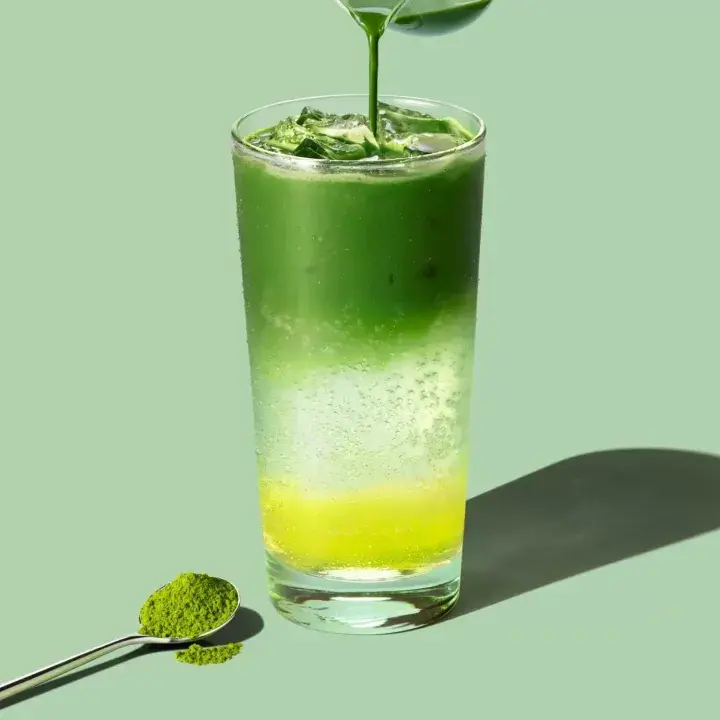
The Rise of Sparkling & Nitro Cold Brew Matcha: 2026 Ready-to-Drink Beverage Innovations