Formulating Hojicha Powder: Commercial Applications in Lattes, Bakery, and Low-Caffeine Menus
A comprehensive B2B technical guide exploring commercial formulation with Hojicha powder (roasted green tea), covering roast selection (Light, Medium, Dark), latte & beverage SOPs, heat-stable baking chemistry, and low-caffeine menu positioning.
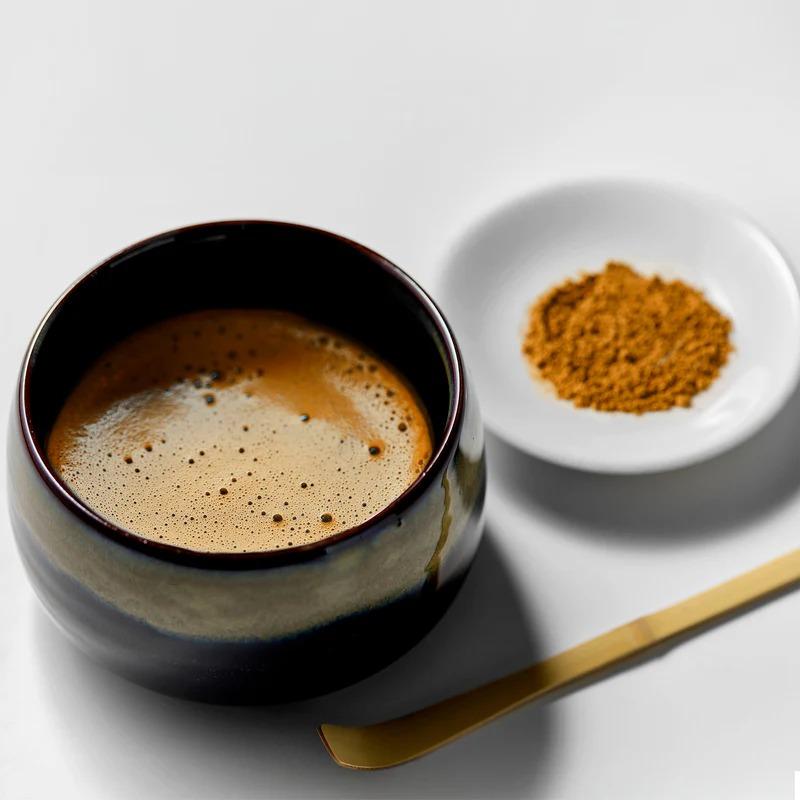
Table of Contents
Looking for Bulk Roasted Hojicha Powder?
Evaluate our premium roasted hojicha powder grades (Light, Medium, and Dark Roast) in your own lab or kitchen.
While matcha has long dominated the global green tea market, a new roasted powerhouse is rapidly establishing itself across cafe menus, commercial bakeries, and consumer packaged goods (CPG): Hojicha Powder. Made by high-temperature roasting green tea leaves and micro-milling them into a fine soluble powder, Hojicha delivers a warm, toasted, nutty, and cocoa-like flavor profile paired with naturally low caffeine content. For cafe chains, food developers, and beverage brand owners, Hojicha offers a unique opportunity to build high-margin, all-day menu items that complement standard matcha programs. This comprehensive B2B formulation guide explores roast grade selection, chemical dynamics in dairy and plant milk systems, heat stability in baking, and operational SOPs for commercial production.
1. What is Hojicha Powder? The Chemistry of High-Heat Roasting
Unlike unroasted green tea powders (such as matcha or standard green tea powder), Hojicha undergoes a high-temperature roasting process (typically 150°C to 200°C) during manufacturing. This thermal transformation fundamentally alters the chemical composition of the tea leaf:
- Maillard Reaction & Pyrazines: The high heat triggers the Maillard reaction between amino acids and reducing sugars in the leaf, generating high levels of pyrazines. Pyrazines are the aromatic compounds responsible for Hojicha's distinctive nutty, toasted grain, and chocolate-like aroma.
- Caffeine Sublimation: Caffeine sublimates and degrades under high temperatures. As a result, Hojicha naturally contains up to 70% less caffeine than standard green tea or matcha, making it an ideal ingredient for afternoon, evening, and kid-friendly beverage menus.
- Catechin Degradation (Low Bitterness): High-temperature roasting breaks down astringent catechins (tannins). Consequently, Hojicha has virtually zero harsh bitterness, delivering a smooth, comforting, naturally sweet, and earthy mouthfeel.
2. Roast Selection Matrix: Matching Hojicha Grades to B2B Applications
To optimize both sensory performance and Cost of Goods Sold (COGS), product developers must select the appropriate roast level for their specific application:
| Hojicha Grade | Flavor Profile | Color Profile | Primary B2B Application |
|---|---|---|---|
| Light Roast Hojicha Powder | Delicate roasted aroma, gentle sweetness, floral tea finish, soft nuttiness | Golden amber / Light tan-green | Delicate pastries, chiffon cakes, cream dessert toppings, subtle iced lattes |
| Medium Roast Hojicha Powder | Balanced nutty grain notes, smooth caramel sweetness, clean toasted tea finish | Warm chestnut brown | Classic cafe Hojicha lattes, gelato, soft serve, bubble tea, cookies, dessert syrups |
| Dark Roast Hojicha Powder | Bold smoky cocoa depth, rich roasted malt notes, robust coffee-adjacent body | Deep espresso brown | Strong hojicha lattes, chocolate truffles, heavy baked goods, coffee alternative drinks |
3. Commercial Beverage Formulation & SOPs
Formulating commercial Hojicha beverages involves solving dispersion, texture, and milk pairing parameters:
A. Milk Pairing Dynamics: Oat Milk vs. Dairy
Because Hojicha possesses rich pyrazine notes (toasted grain and nuttiness), it exhibits extraordinary synergy with oat milk and almond milk. Oat milk's natural cereal sweetness amplifies Hojicha's caramel and toasted notes, creating a rich, luxurious latte without requiring excessive added sugar. Dairy milk provides a smooth, creamy backdrop, though high-fat dairy can slightly mute lighter roast nuances.
B. Preparation SOP for Cafe Chains
To ensure speed of service (SOP) during peak hours, commercial cafes can use a batch concentrate preparation method:
- Concentrate SOP: Whisk 100g of Medium Roast Hojicha Powder with 1 Liter of hot water (80°C to 85°C) in a high-shear blender for 45 seconds. Store in an opaque squeeze bottle under refrigeration (4°C) for up to 24 hours.
- 12oz Hot/Iced Latte SOP: Pump 30ml of Hojicha concentrate (approx. 3g powder) into a cup, add 15ml of simple syrup or vanilla syrup, and top with 250ml of steamed or iced milk.
4. Commercial Baking & Confectionery Applications
One of Hojicha powder's major technical advantages over matcha is its thermal stability. Because the pyrazines and pigments in Hojicha are created during high-temperature roasting, they are exceptionally resistant to oven temperatures during baking.
- Zero Browning Worries: Unlike matcha (where oven heat degrades chlorophyll into brown pheophytin), Hojicha already possesses a rich brown hue and toasted aroma that remains stable at temperatures up to 200°C (390°F).
- Bakery Dosage Guidelines: Use 2.5% to 4.0% of total flour weight in cookies, cakes, croissants, and shortbreads to deliver a pronounced roasted tea flavor.
- Chocolates & Fillings: In white chocolate and cream fillings, Hojicha's low moisture content (< 4.0%) prevents cocoa butter seizing while creating a sophisticated alternative to milk chocolate.
5. Strategic Positioning: Building a Low-Caffeine "Nighttime" Menu
For modern cafe chains and beverage brands, Hojicha serves as the ultimate bridge between caffeine-seeking consumers and wellness-focused buyers:
- The Evening Coffee Alternative: Many consumers avoid coffee and matcha after 2:00 PM due to sleep concerns. Marketing Hojicha lattes as a "low-caffeine afternoon and evening ritual" allows cafes to extend beverage sales into later dayparts.
- Kid-Friendly & Senior Appeal: Hojicha's gentle caffeine profile and comforting taste make it suitable for all age groups, expanding your target audience.
Partner with Orisen Tea for Bulk Hojicha Supply
Hunan Orisen Biotech Co., Ltd. (Orisen Tea) is a vertically integrated manufacturer and exporter of wholesale Hojicha and tea powders. We manage our own high-altitude tea gardens and state-of-the-art roasting facilities certified under FDA, ISO22000, HACCP, Halal, and USDA/EU Organic standards. We offer custom roast levels, micro-milled particle sizes (5-10 microns), and OEM Private Label Packaging solutions. Contact our B2B sales team today to request a free sample kit of our Hojicha range and discuss your project requirements.
FAQ: Commercial Hojicha Formulation
Q1: Does Hojicha powder dissolve completely in cold water?
Hojicha powder is a micro-milled leaf powder (suspended solid), similar to matcha. While micro-milling (5-8 microns) allows it to suspend smoothly in liquids, high-volume RTD canned lines should use hydrocolloids (such as gellan gum at 0.02%) to prevent long-term sedimentation.
Q2: Can we blend Hojicha powder with other tea powders or flavors?
Yes. Hojicha pairs exceptionally well with natural vanilla, caramel, cinnamon, dark chocolate, sea salt, and brown sugar (Kuromitsu). It can also be blended with roasted rice (Genmaicha) for added grain depth.
Q3: What is the shelf life and storage requirement for bulk Hojicha powder?
Bulk Hojicha powder has a shelf life of 18 to 24 months when packed in nitrogen-flushed, multi-layer aluminum foil bags and stored in a cool, dry environment away from direct sunlight.
Interested in Sourcing Roasted Hojicha Powder?
Hunan Orisen Biotech Co., Ltd. is a certified factory source. Contact us for bulk wholesale pricing, custom formulation, or OEM private label packaging.
Related Articles
Formulating Matcha Ice Cream & Gelato: Overcoming Flavor Suppression and Fat-Masking in Cold Emulsions
Commercial Matcha Latte Formulation: Solving Clumping, Browning, and Cost (COGS) for Cafe Chains