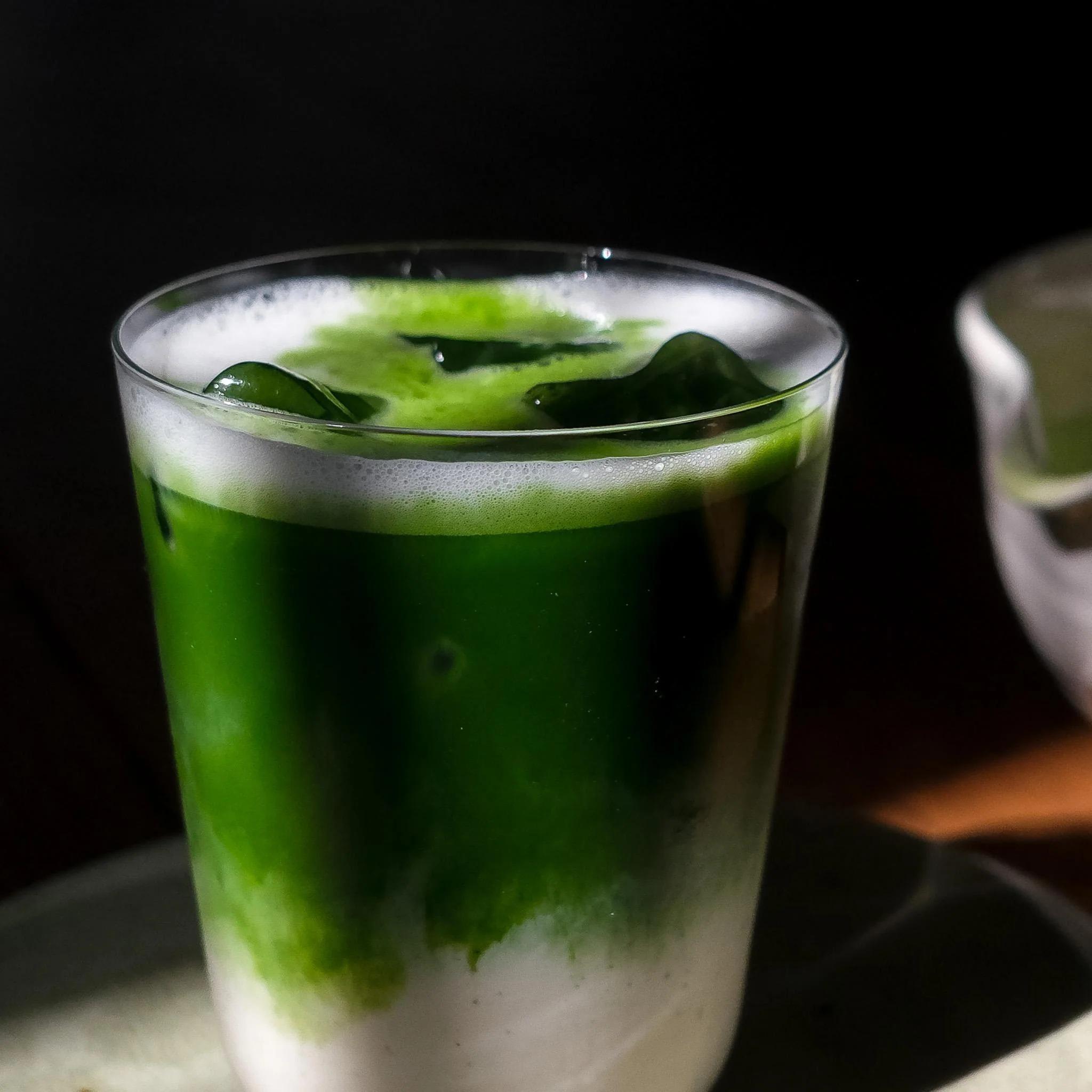
Formulating Matcha Ice Cream & Gelato: Overcoming Flavor Suppression and Fat-Masking in Cold Emulsions
A technical B2B guide for food scientists and R&D teams to formulate premium matcha ice cream and gelato, overcoming sensory challenges like flavor suppression and fat-masking in cold dairy emulsions.
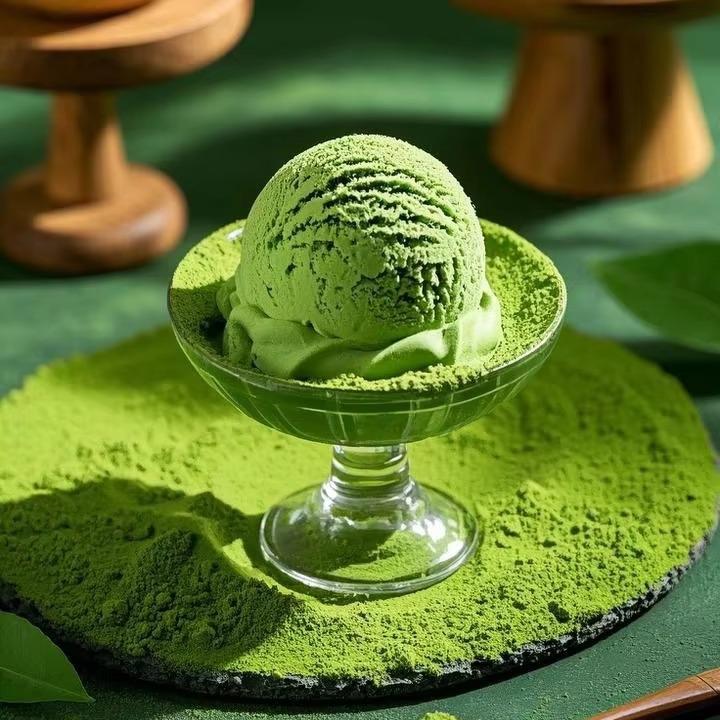
Table of Contents
Looking for Bulk Premium Matcha Powder?
Evaluate our premium shade-grown matcha grades (Ceremonial, Premium, and Culinary) in your own lab or kitchen.
Matcha ice cream and gelato are enduring classics in the global frozen dessert market, commanding premium prices and strong consumer loyalty. However, for food scientists, R&D directors, and product developers, translating the delicate, complex flavor profile of matcha into a frozen dairy emulsion is a notorious challenge. In commercial production, formulators frequently encounter two major sensory bottlenecks: flavor suppression due to sub-zero temperatures and fat-masking caused by the high lipid content of cream and milk bases. This technical guide explores the food chemistry of cold emulsions and provides actionable, industrial solutions to optimize flavor release and texture in matcha frozen desserts. For a broader look at how our products are applied in this sector, see our Frozen Desserts Solutions.
1. The Physics of Cold Emulsions: Why Matcha Flavor Gets Suppressed
To formulate a successful matcha frozen dessert, we must first understand how cold temperatures and fat structures interact with human sensory perception:
- Temperature-Induced Taste Suppression: Human taste receptors, particularly the TRPM5 ion channel which detects sweet, bitter, and umami tastes, are highly temperature-dependent. At temperatures below 15°C, their sensitivity drops significantly. In frozen desserts served at -12°C to -18°C, the perception of sweetness and umami is severely muted. If a standard matcha grade is used, the resulting ice cream will taste flat, chalky, or overly bitter without the characteristic sweet umami finish.
- The Fat-Masking Effect: Ice cream is a complex emulsion consisting of air cells, ice crystals, and fat globules suspended in a concentrated sugar syrup. Premium ice creams contain 10% to 16% milk fat (butterfat). During consumption, these fat globules melt and coat the tongue, creating a hydrophobic lipid barrier. This barrier prevents the water-soluble flavor compounds in matcha—such as L-theanine (sweet umami) and catechins (astringency)—from reaching the taste buds, effectively "masking" the tea flavor and aroma.
2. Solution 1: Sourcing a High-Catechin, Micro-Milled Matcha Grade
Selecting the right raw material is the most critical step in overcoming fat-masking and flavor suppression. A common mistake is using a delicate, expensive Ceremonial Grade Matcha. Ceremonial matcha is rich in L-theanine but low in catechins; its subtle notes are completely lost behind the heavy fats of dairy cream. Conversely, cheap, low-grade culinary powders introduce a harsh, woody bitterness and a gritty texture.
The optimal solution is sourcing a dedicated Premium Culinary Grade Matcha (often harvested in late spring or early summer, shaded for 25 days):
- High Catechin Density: This grade contains a higher concentration of robust catechins (polyphenols) than spring-harvested ceremonial grades. These compounds provide a punchy, astringent tea profile that can pierce through the lipid coating on the tongue, delivering a long-lasting, recognizable matcha finish.
- Micro-Fine Particle Size (5-8 Microns): To prevent a gritty mouthfeel and ensure even dispersion, the powder must be micro-milled to under 10 microns (D90 < 10μm). Micro-fine particles disperse seamlessly in the liquid mix, preventing dark green specks (speckling) and ensuring a smooth, velvety texture. (Learn about our milling technology in The Matcha Production Process.)
3. Solution 2: Optimizing the Ice Cream Base Formulation
R&D teams can adjust the physical structure of the ice cream base to enhance flavor release:
A. Controlling Overrun (Air Incorporation)
Overrun is the volume of air whipped into the ice cream mix during freezing. High overrun (often 80% to 100% in economy ice creams) dilutes the flavor density and creates a fluffy texture that melts too quickly, reducing the contact time between the matcha and taste receptors.
For premium matcha ice cream, target a lower overrun of 20% to 40% (gelato style). This dense, compact structure slows down the melting rate in the mouth, allowing the fat to melt gradually and release the suspended matcha particles over a longer period, enhancing flavor perception.
B. Balancing the Sugar Profile
Since cold temperatures suppress sweetness, formulators often over-sweeten the mix, which further masks the tea flavor. Instead of relying solely on sucrose (table sugar), use a combination of sucrose and dextrose or atomized glucose. Dextrose has a higher relative sweetness at low temperatures and lowers the freezing point of the mix, resulting in a softer, scoopable texture and a faster melt-in-mouth sensation that accelerates flavor release.
C. Emulsifier and Stabilizer Selection
Emulsifiers like mono- and diglycerides (MDG) and Polysorbate 80 control the destabilization of fat globules during churning, creating a stable fat network. However, excessive emulsification can lock the flavor compounds inside the fat phase.
Formulators should use a balanced stabilizer blend (such as locust bean gum, guar gum, and carrageenan) to control ice crystal growth while ensuring that the fat network is sufficiently destabilized during consumption to release the water-soluble tea solids.
4. Solution 3: Processing and Aging Optimization
The manufacturing process itself plays a vital role in flavor development:
- The Aging Step (4°C for 4-12 Hours): After pasteurizing the mix, it must be aged. This aging period allows the milk proteins to desorb from the fat globules, enabling the fat to crystallize. Crucially for matcha, it allows the micro-fine tea particles to fully hydrate and bind with the water phase, ensuring a uniform green color and preventing sedimentation or grittiness.
- Dynamic Freezing: Rapid freezing in a continuous or batch freezer minimizes the size of ice crystals (keeping them under 20-30 microns). Smaller ice crystals yield a smoother texture and a cleaner, more immediate flavor release upon melting.
5. Summary: B2B Matcha Ice Cream Formulation Matrix
| Parameter | Target Specification | R&D Rationale |
|---|---|---|
| Matcha Grade | Premium Culinary Grade | High catechins to cut through milk fat; vibrant green color. |
| Particle Size | 5 - 8 microns (D90 < 10μm) | Prevents grittiness and dark green speckling in the emulsion. |
| Dosage Rate | 1.5% to 2.5% of total mix | Compensates for cold-induced taste bud suppression. |
| Overrun | 20% to 40% (Gelato style) | Increases flavor density and contact time in the mouth. |
| Aging Duration | 4 to 12 hours at 4°C | Ensures complete hydration of matcha particles and fat crystallization. |
Partner with Orisen Tea for Frozen Dessert R&D
Hunan Orisen Biotech Co., Ltd. (Orisen Tea) is a vertically integrated manufacturer and exporter of bulk matcha powder. We manage our own high-altitude, shade-grown tea gardens and operate state-of-the-art processing facilities certified under FDA, USDA Organic, EU Organic, ISO22000, and Halal standards. Our application lab works directly with R&D teams of ice cream manufacturers and dessert brands to optimize formulations, select the perfect matcha grades, and conduct sensory evaluations. Contact our B2B sales team today to request a free sample kit and discuss your frozen dessert project.
FAQ: Formulating Matcha Ice Cream
Q1: Why does our matcha ice cream turn yellowish-brown on the surface in display freezers?
This is caused by photo-oxidation. Chlorophyll is highly sensitive to light. The bright fluorescent or LED display lights in supermarket freezers degrade the chlorophyll on the surface of the ice cream over time. To prevent this, ensure your packaging provides a 100% light barrier (such as opaque paperboard tubs or foil-lined containers) and avoid transparent lids.
Q2: Can we use organic certified matcha for commercial ice cream production?
Yes. We supply USDA Organic and EU Organic certified matcha powder. When formulating organic ice cream, ensure your stabilizers and emulsifiers also comply with organic standards, and adjust the matcha dosage slightly if needed to achieve the desired color vibrancy. (Read more in our Private Label & OEM Sourcing Guide.)
Q3: How do we prevent matcha powder from clumping when adding it to the ice cream mix?
Matcha is hydrophobic and clumps easily in cold liquids. We recommend pre-blending the matcha powder with other dry ingredients (like sugar or milk powder) before adding it to the liquid phase. Alternatively, you can disperse the matcha in a portion of the warm milk base (around 50°C) using a high-shear mixer or colloid mill before blending it into the main batch.
Interested in Sourcing Premium Matcha Powder?
Hunan Orisen Biotech Co., Ltd. is a certified factory source. Contact us for bulk wholesale pricing, custom formulation, or OEM private label packaging.
Related Articles
Formulating Hojicha Powder: Commercial Applications in Lattes, Bakery, and Low-Caffeine Menus